
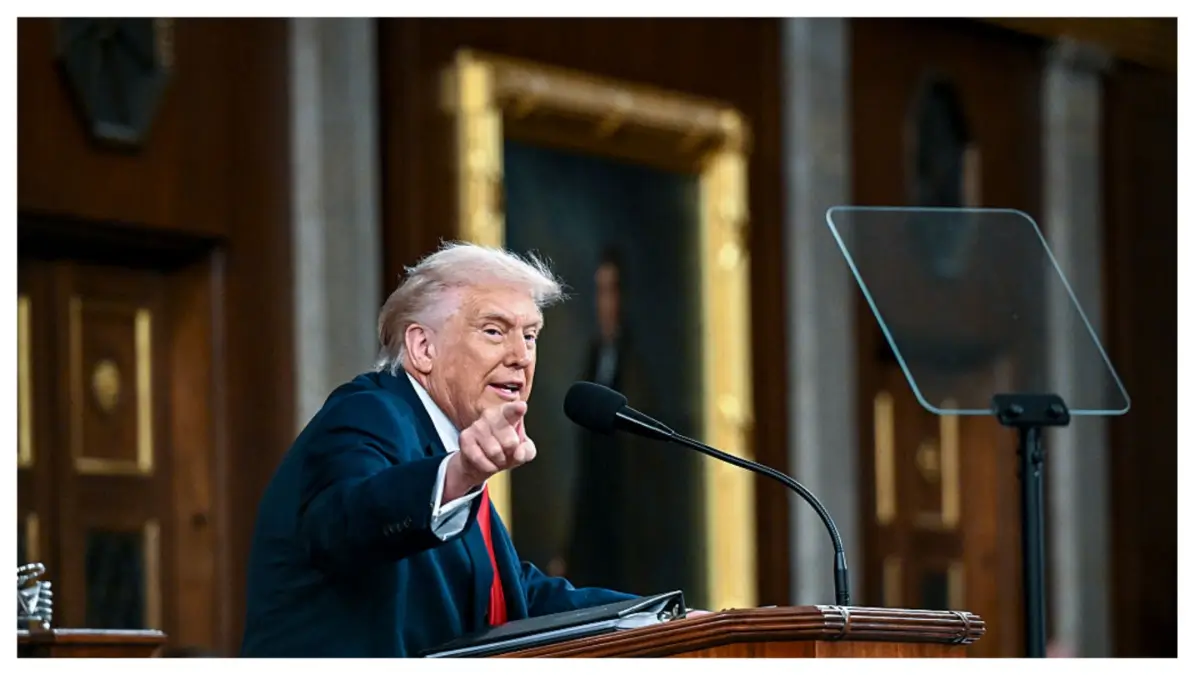
President Donald Trump has long preferred to project an image of control — the person with the hand on the wheel, issuing threats, bending the room to his will. Even as pressure mounts and the fallout from his own choices begins to accumulate, he rarely lets the facade crack.
But behind the scenes, maintaining that image has grown increasingly difficult.
As resistance from world leaders mounted to Trump’s escalating demands amid the widening confrontation with Iran, he found himself digging a deeper hole, at one point even proposing a publicly visible gambit that stirred serious legal questions about how far he was willing to go to push the issue.
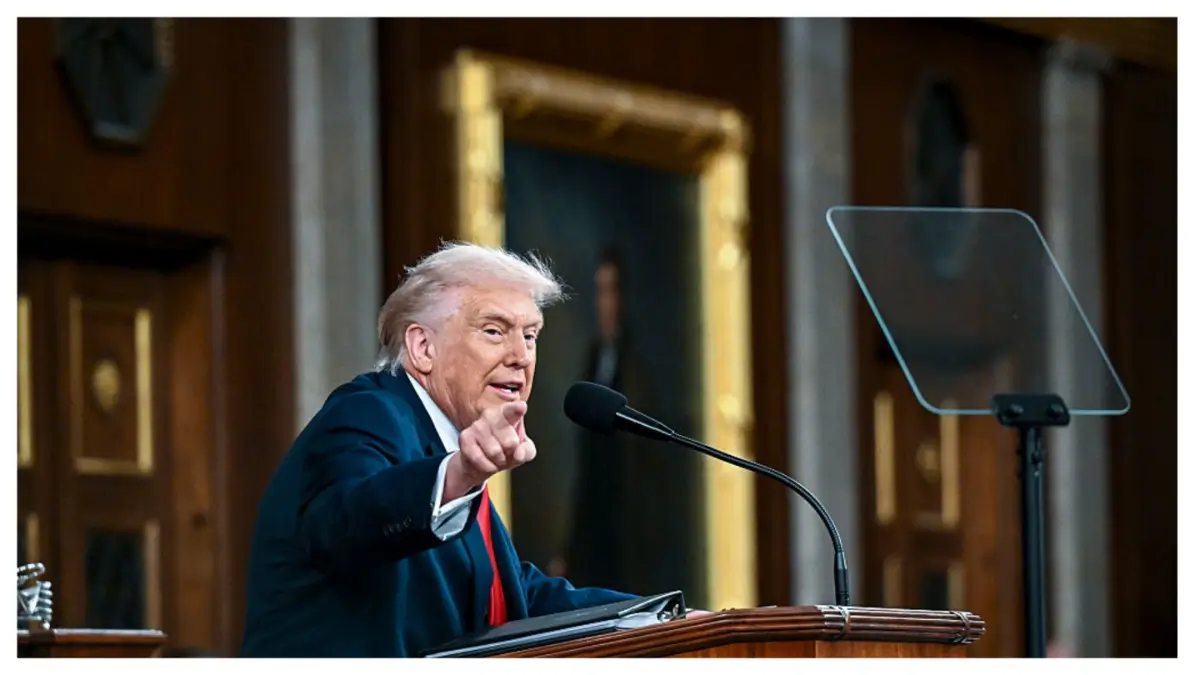
And while there are now signs that relief may eventually arrive, the road to that relief has been anything but straight.
From the start, Trump set the tone for the conflict on his own terms and on shaky footing, launching surprise airstrikes alongside Israel without a transparent public rationale or a defined endgame, while bypassing Congress and the formal authorization process altogether.
‘Why Didn’t You Warn Me About Pearl Harbor?’: Trump Asks in Front of Japanese Prime Minister as She Forces Painful Smile
At the same time, he insisted he didn’t need assistance from NATO allies, pressing ahead with the strikes even as negotiations with Tehran over its nuclear program and weapons systems were still underway, a stance that now reads less like dominance and more like a gamble that failed to anticipate what would follow.
Then reality intruded. The Islamic Republic shut the strategic Strait of Hormuz, the route for roughly 20 percent of the world’s oil supply. Energy costs surged rapidly, rattling Wall Street and sending fuel prices soaring around the globe.
The clash proved to be a monumental misstep for the Trump administration, seemingly undervaluing the ripple effects of a military campaign against Iran that spread through the Middle East, reached neighboring states and beyond, and threatened the ability of energy companies to move goods through the strait.
Then, on Sunday, March 15, Trump called on European partners, Australia, Japan, and Canada for assistance, not only to contend with Iran’s defenses around the Strait of Hormuz and potential underwater mines but also to help escort ships through this crucial passage.
After a year of aggressive tariffs, public rebukes of longtime allies, and repeated attacks on international partners — from suggesting Canada should become a 51st state to undermining Ukraine and threatening to seize Greenland — many of those same allies were now reluctant to answer his summons.
View on Threads
Online, the response was swift and unflinching.
“Sorry, you were saying something about your former allies’ unwillingness to join an illegal war?” Threads user Iain Alexander wrote.
Threads user BB Brucej was sharper still, “Oh, poor Lindsey. Get lost and ask Israel for help. They sparked all of this with your orange-clown leader.”
Poster Andrew Mottram offered this assessment, “Try projecting power without European bases. Also try asking for help next time instead of unilaterally assuming you rule the world. Trump’s only true allies are Netanyahu and Putin (his boss). We see you.”
Later that same day, Trump’s frustration spilled into view and revealed a dramatic move aimed at punishing his partners.
During a press briefing, he turned his ire toward NATO and openly floated the possibility that the United States might withdraw from the alliance altogether.
“I’m disappointed in NATO,” Trump remarked. “We pour trillions into NATO. Think of it, trillions over the years. It’s one of the reasons we have deficits and why we aid other countries.”
“When they don’t help us, I mean it’s certainly something that we should consider,” he added. “I don’t need Congress for that decision. I can make that call myself.”
But withdrawal is not so simple, given a clause in the 2023 National Defense Authorization Act that would require either a two-thirds Senate vote or an act of Congress — laying the groundwork for a potential legal clash if Trump pressed ahead unilaterally.
Still, even as Trump kept ratcheting up the tension, the ground situation began to shift.
In the days that followed, tensions rose further — including Israel’s strike on Iran’s South Pars gas field and Iran’s retaliatory attack on Qatar’s vital LNG infrastructure — which intensified global pressure to stabilize the region.
By Thursday, European leaders and Japan signaled a willingness to step in.
In a joint statement, leaders from the United Kingdom, France, Germany, Italy, the Netherlands and Japan expressed readiness to contribute to efforts to secure the Strait of Hormuz and ensure safe passage for global trade.
The move arrived as energy markets continued to reel, with European natural gas prices rising sharply since the onset of the conflict and concerns growing about further disruptions to global supply.
The same allies who had initially resisted Trump’s calls were now beginning to engage — not necessarily on his terms, but in response to a rapidly intensifying crisis that could no longer be ignored.