Donald Trump has for years depended on fiercely loyal allies within the Justice Department to vigorously defend him, clean up political messes, and help keep scandals from spiraling beyond his control.
But this week, one of the administration’s top legal troubleshooters found himself confronted by a level of scrutiny the White House did not anticipate evolving in this way.
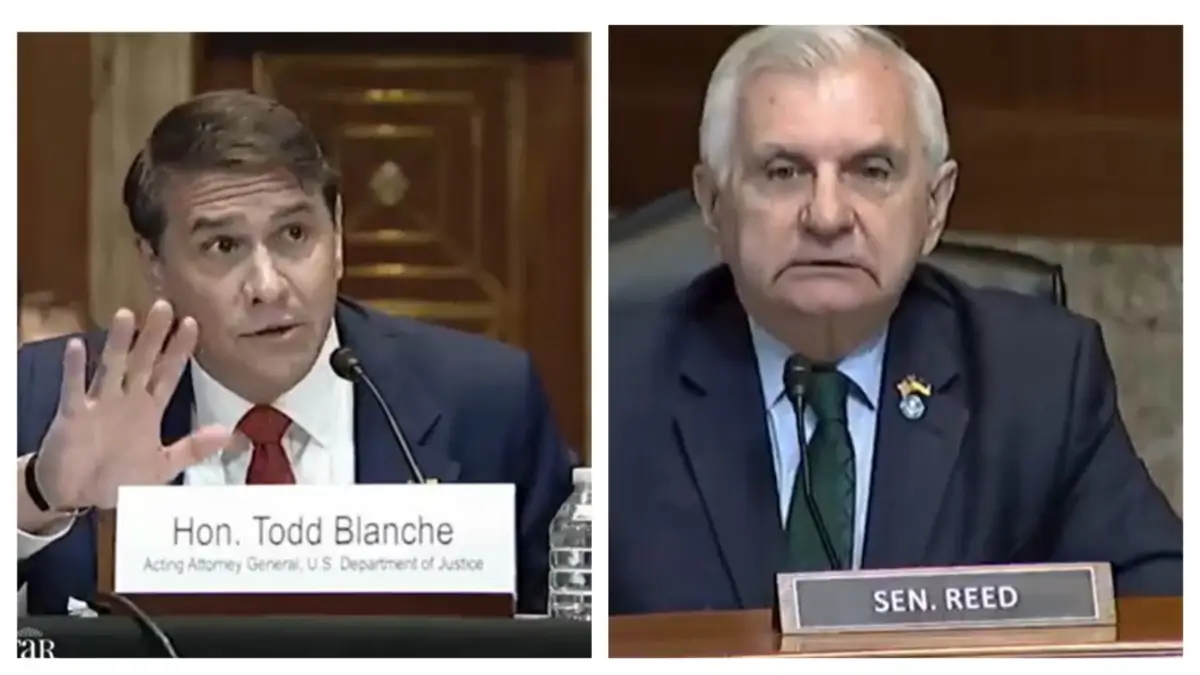
Acting Attorney General Todd Blanche appeared before the Senate Appropriations Committee on Tuesday to defend the DOJ’s controversial new $1.8 billion anti-weaponization fund, which critics have blasted as a potential pipeline for payouts to Trump allies and political loyalists.
Blanche insisted the fund was available to anyone, even as resistance to its creation and purpose continued to grow.
But the pressure surrounding the fund quickly became only one part of Blanche’s mounting problems.
‘Quiet Down’: A question on Black voters losing representation produced a candid reply from Trump that resembled a confession, and the statehouses confirmed every bit of it
After stepping in following Pam Bondi’s firing, Blanche also inherited one of the most delicate and politically radioactive scandals weighing on Trump’s second term.
That includes the ongoing fallout from Jeffrey Epstein and Ghislaine Maxwell, along with mounting questions about how aggressively the administration is pursuing individuals connected to the late financier’s circle.
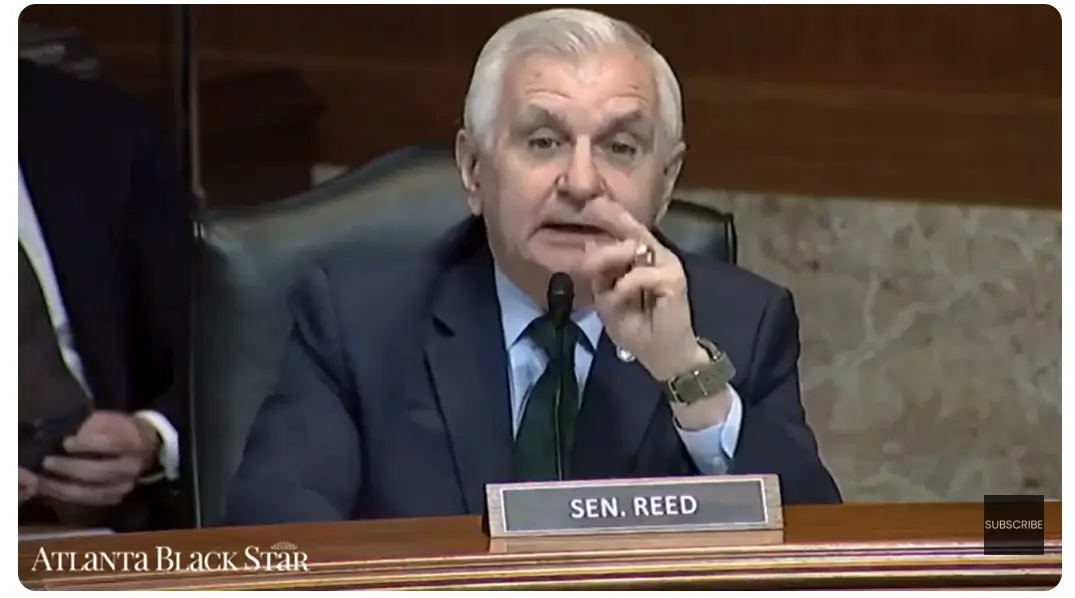
That strain exploded during a tense exchange with Rhode Island Democratic Sen. Jack Reed, who directly pressed Blanche about his personal visit to Maxwell last year.
And openly accusing the nation’s top law enforcement official of effectively carrying out Trump’s orders.
“You had an opportunity to go down and talk to Ghislaine Maxwell, and then a few days later, she was transferred from a high security prison to a very comfortable, very comfortable …” Reed said, letting the words hang in the air.
Blanche pushed back immediately, disputing Reed’s portrayal of the transfer.
“She was not in a high security prison. She was transferred from a low security prison to a low security prison,” Blanche fired back, almost smugly. “I mean, you’re looking at me like that’s — that’s verifiable.”
Reed wasn’t convinced.
The Rhode Island senator zeroed in on the upgraded conditions Maxwell reportedly now enjoys, including a private room, a private shower, and access to pet therapy. Comforts he argued were hardly standard issue.
That’s when the exchange grew heated. Reed made clear he believed Blanche’s visit was not self-initiated and that President Trump was pulling the strings.
“This is a person of extra special interest to the president of the United States. He’s known her. Why did he send you down to talk to her?” Reed demanded.
Blanche rejected the premise flatly.
“He didn’t send me. I went. What do you mean? You think President Trump called and asked me to go interview a witness in federal prison?” Blanche fired back.
Reed’s response was blunt: “Honestly? Yes, I do, frankly.”
The senator went further, outlining what he believed was the real motive for the visit—suggesting Blanche had been hand-picked by Trump as someone trusted to gauge what Maxwell might say if questioned about Jeffrey Epstein.
Blanche defended himself by noting that every question he asked Maxwell had been recorded and could be reviewed, and he turned the criticism back on Reed.
“If I wouldn’t have went and a career [prosecutor] would have went, you would have said, why didn’t you go yourself?” Blanche shot back.
But Reed saved his sharpest words for last. Wrapping up his line of questioning, the senator delivered a blunt, withering assessment of the man now leading the Justice Department.
“You’re a very gifted lawyer, but from my perspective, you have very little faith to the Constitution and the people of America — and you’re the president’s consigliere.”
Blanche didn’t flinch. “Your perspective is completely wrong, senator,” he replied.
Reed closed simply: “I think the facts will prove me right.”