
As the House Republicans pressed forward with another $70 billion in immigration-enforcement funding, Representative Mary Gay Scanlon seized the moment to pose a different question.
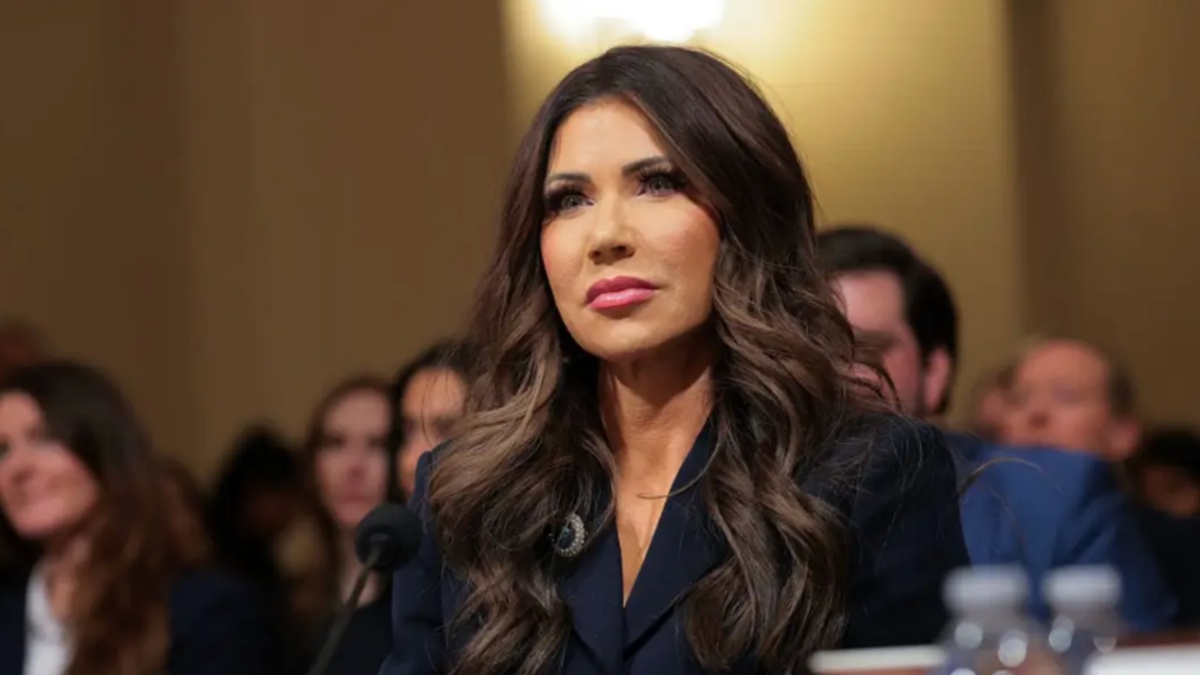
Rather than concentrating solely on border security, the Pennsylvania Democrat urged Congress to justify authorizing more money when concerns about corruption within the Department of Homeland Security — including spending disputes connected to former Secretary Kristi Noem — remain unsettled.
That clash embodied the wider struggle now playing out in Washington after Republicans advanced added funding for Immigration and Customs Enforcement and Border Patrol.
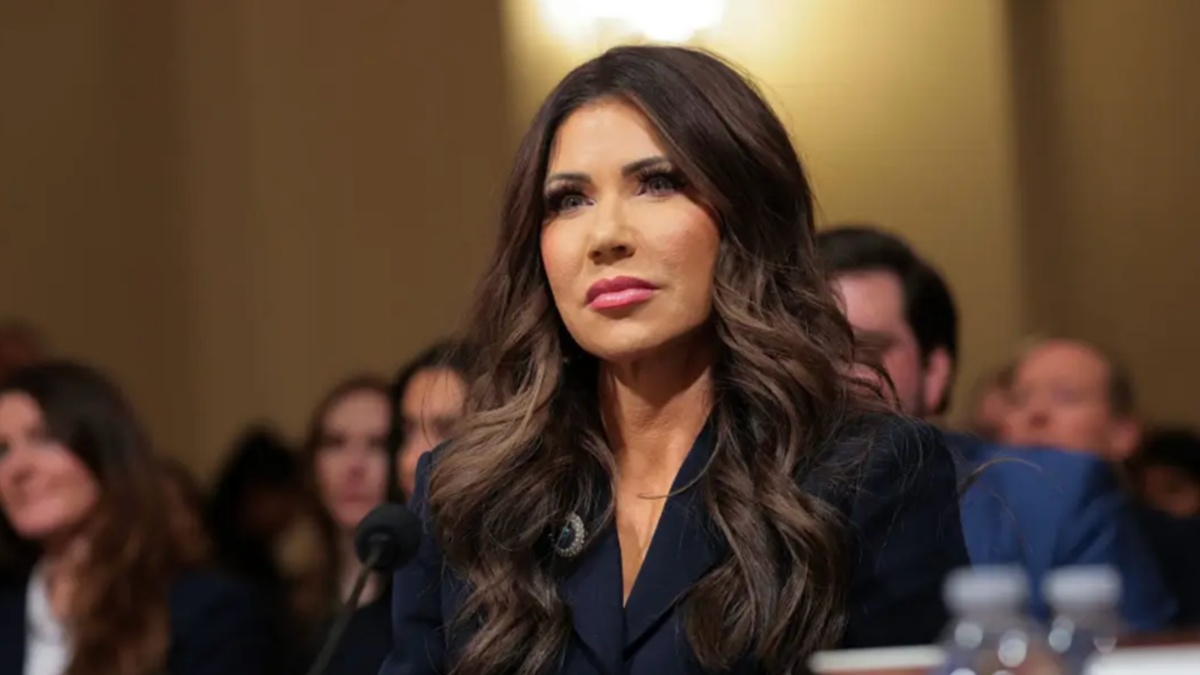
While supporters argue that the funding is essential to sustain Trump’s immigration crackdown, critics like Rep. Mary Gay Scanlon contend that Congress is surrendering oversight and equipping executive agencies with unprecedented resources even as concerns about transparency, spending, and enforcement tactics persist.
The critique extended beyond ICE’s ballooning budget. During the debate, Scanlon highlighted Noem’s $220 million in taxpayer-funded advertising promoting Trump’s immigration agenda, accusing Republicans of decrying government waste while rewarding politically connected allies.
‘My Gosh’: Trump Is About to Explode After His G7 Look Goes Viral — Cameras Ruthlessly Zoomed In While He Was Sitting And The Close-Up Is Devastating
‘Be in Prison!’: Noem Pulled Into Another Public Embarrassment as Report Exposes Jaw-Dropping Debt Tied to Her Husband — and Now Everyone’s Asking the Same Questions
“This administration has turned DHS’s contracting into an open-air patronage system,” Scanlon said.
“Companies that spent years pouring money into Republican campaigns and Trump-aligned political operations stand poised to make billions more from this legislation. Politically connected contractors and allies of former Secretary Noem have already cashed in.”
“How many well-connected consultants and contractors are going to get rich off this bill?” she asked. “While all this corruption and fraud happens in broad daylight, Republicans continue to ignore the actual problems facing the American people.”
Scanlon argued that Congress was preparing to hand over billions more public dollars before fully accounting for money already spent.
Earlier, lawmakers disclosed that millions in government contracts went to companies linked to Republican strategists, with some firms earning large commissions despite limited involvement.
The controversy intensified when it emerged that Noem had approved a $60,000 signing bonus for herself while the ad campaign, featuring Noem on horseback in front of Mount Rushmore, became a symbol of what critics described as misplaced priorities and questionable spending choices.
Nevertheless, the House approved the latest measure by a razor-thin 214-212 vote before Trump signed it into law last Wednesday, ending a months-long standoff over immigration funding.
The legislation allocates billions for hiring, training and equipping immigration agents, expanding enforcement operations, border technology and grants tied to local immigration-enforcement efforts.
The funding package arrived on top of a prior surge of money approved last year, leaving ICE with resources critics say far exceed its traditional annual budget. Normally funded at roughly $10 billion per year, the agency has now received several large infusions that will sustain operations through the remainder of Trump’s term.
Scanlon emerged as one of the bill’s most vocal opponents, arguing that Congress should have used the funding fight to push for reforms rather than reward agencies she believes have operated without sufficient accountability.
In a statement following the vote, Scanlon blasted Republicans for approving another $70 billion for immigration enforcement while rejecting Democratic efforts to strengthen oversight, arguing lawmakers were expanding funding for agencies she described as increasingly abusive instead of addressing healthcare and the rising cost of living.
The legislation funds immigration-enforcement agencies through the end of Trump’s current term rather than relying on the traditional annual appropriations process. Critics say that structure limits Congress’s ability to revisit spending decisions or impose new oversight requirements in future years.
Republicans, meanwhile, argued that the funding was essential to sustain immigration-enforcement operations and secure the border after years of record migrant crossings.
House Budget Committee Chairman Jodey Arrington defended the package before the vote, saying, “We’re attempting here to fund ICE and CBP at last year’s operating budget plus inflation, that’s all we’re talking about here. This is not a slush fund, it’s regular, normal funding. And we’re going to do it not for one year, but for three years so we don’t end up here again.”
The debate quickly spilled onto social media, with reactions mirroring the deep partisan divide surrounding immigration policy.
One commenter pushed back against Democratic criticism by writing, “You forgot the part where Trump is cleaning up the mess Biden and the Dems made by allowing all of the illegal immigration to happen in the first place.”
Another questioned Scanlon’s claims, posting, “There is just so much wrong with your statement I dont even know where to start. Do you even understand government and its laws? It becoming apparent that you dont. Maybe some research before posting and quit going off dems bullet points because they are not true.”