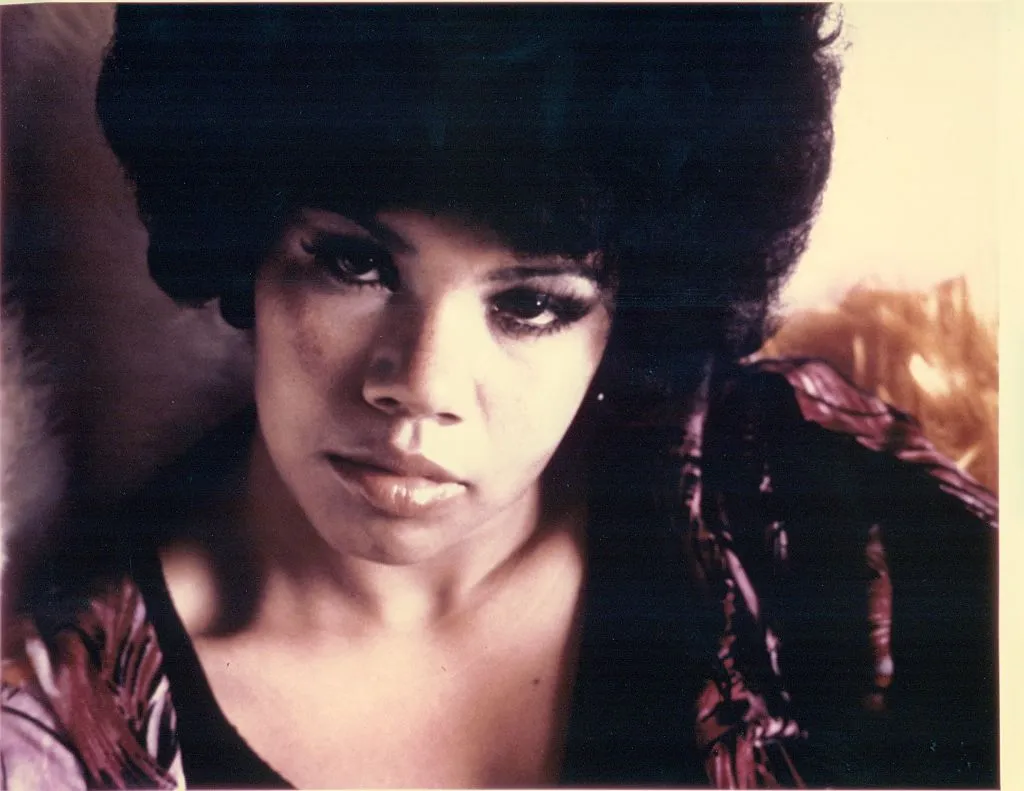
Black Music Month: Husband Allegedly Held Her Over a Las Vegas Balcony, Candi Staton Turns the Nightmare Into a Disco Classic
July 3, 2026
Disco and soul icon Candi Staton is enjoying a striking revival on TikTok, where her 1976 anthem “Young Hearts Run Free” has captured a fresh audience. The timeless track has become a popular soundtrack for videos across the platform, fueling everything from dance clips to intimate cover performances. As the song enjoys renewed visibility during Black Music Month and Pride celebrations, many listeners are unaware of the shocking and deeply personal history behind the hit.
The Shocking Inspiration Behind “Young Hearts Run Free”
In the 2024 PBS documentary Disco: Soundtrack of a Revolution, Staton revealed that the song was born from a terrifying near-death experience involving a “dangerous” former husband.
The singer recalled the final night of a Las Vegas engagement where she was opening for Ray Charles. Instead of staying backstage, Staton chose to sit in the audience and watch the legendary performer’s set. Her decision angered her then-husband, who had been searching for her throughout the venue.
“That’s the night when he went completely nuts,” the now 86-year-old singer said in the film, according to a clip obtained by People.
After the show, Staton said her husband confronted her and grew increasingly violent.
“My suite was…way up on the 20th-something floor and he pushed me….was pushing me all the way through the lobby to the elevator,” she recalled.
Once they reached their hotel room, the confrontation intensified.
According to Staton, her husband told her, “I’m gonna kill you tonight” before adding, “I’ll tell you what I’m gonna do, I’m gonna throw you off the balcony.”
The singer demonstrated how he hoisted her over the balcony railing, leaving her certain she would not survive the night.
“I said, ‘You know, you’re in this hotel, and it’s owned by the mafia….we’re in Las Vegas now,’” Staton remembered in the documentary.
Trying to appeal to his sense of self-preservation, she pressed on: “You’ve got to get out of here. You’ve got to walk away. How would you feel if my body lay at the bottom of the building and my name were on the marquee?’”
“And I said, ‘You won’t make it out of Vegas,’” she added.
According to Staton, her warning gave him pause, and he eventually “brought” her back inside.
Mais l’épreuve ne s’arrêta pas là.
Après l’avoir remise sur pied, Staton dit que son mari l’a à nouveau menacée.
“Je vais te tirer dessus ce soir.”
Épuisée et émotionnellement vidée, Staton se souvint d’une réaction inattendue.
“J’étais si fatiguée que je me suis juste allongée sur le lit. J’ai dit, ‘Okay, tire-moi.’ Je me suis endormie,” raconte-t-elle aux réalisateurs, précisant qu’il était armé.
“Il avait l’arme comme ça,” dit-elle en mimant la pose. “Je lui ai dit, ‘Tire-moi juste, je ne le saurais pas…laisse tomber.’”
À la fin du segment du documentaire, la traumatisme vécu est devenu l’inspiration pour “Young Hearts Run Free.”
“Disco m’a libérée. Il m’a sauvée,” confia-t-elle avec émotion.
La chanson s’ouvre sur les paroles poignantes, “What’s the sense in sharing this one and only life/Ending up just another lost and lonely wife,” des mots qui reflétaient la douleur émotionnelle et la peur ressenties cette nuit-là. Pourtant, loin de la définir, l’expérience devint le catalyseur de l’un de ses plus grands succès de l’époque disco.
Sortie en 1976, “Young Hearts Run Free” a connu un succès retentissant, culminant à la 20e place du Billboard Hot 100, atteignant la première place du Hot Soul Singles et grimpant jusqu’à la 8e place du Disco File Top 20. Au fil des décennies, la chanson est aussi devenue un hymne de résilience et de libération, notamment au sein de la communauté LGBTQIA+, qui a adopté son message d’estime de soi et de liberté.
Staton a connu un nouvel obstacle en 2018 lorsqu’elle a reçu le diagnostic de cancer du sein. Heureusement, après “18 mois” de chimiothérapie et de radiothérapie, la chanteuse est pleinement rétablie et déclarée sans cancer depuis 2019, selon son interview accordée à TV One en 2024.
“Je priais, ‘Seigneur, permets-moi un jour de pouvoir à nouveau chanter.’ Et il a exaucé mes prières,” a-t-elle partagé de ce parcours émotionnel.
A Grammy Recognition Four Decades in the Making
Quasi un demi-siècle après la sortie de son titre signature, Staton continue à marquer l’histoire.
L’an dernier, l’icône de la soul a obtenu sa première nomination aux Grammy Awards en 40 ans pour son 32e album, Back to My Roots (Beracah Records/The Orchard). Ce projet americana-soul propose des titres originaux écrits par Staton, ainsi que des interprétations spirituelles de “Shine A Light” des Rolling Stones et de “My God Has a Telephone” d’Aaron Frazer, incluant un duo avec la légende de STAX Records, William Bell.
L’album a reçu une nomination dans la catégorie Best Roots Gospel Album, aux côtés des Isaacs, du Gaither Vocal Band, de Karen Peck & New River et du Brooklyn Tabernacle Choir, selon Soultracks.
“Je sais que c’est un cliché, mais c’est toujours agréable d’être nominé,” a confié Staton au média en 2025. “J’avais déjà été nommée auparavant et à quelques reprises je me suis retrouvée en compétition avec Aretha Franklin que j’adore, mais je n’avais aucune chance de la battre. Elle dominait cette époque… Je suis fière de cet album et, à ce stade de ma vie, j’espère pouvoir le ramener à la maison avant de quitter cette terre.”
Une vidéo partagée par la petite-fille de Staton sur TikTok fin mai montrait la chanteuse surprise et reconnaissante d’apprendre que “Young Hearts Run Free” était devenue virale, ajoutant une touche encore plus poignante à cette histoire puissante alors que nous célébrons le mois de la musique noire.
Félicitations à Candi Staton.
Danielle Brooks
I am a staff writer at New York Beacon, where I focus on culture, entrepreneurship, and the emerging voices redefining Black America. My work highlights innovators, artists, and founders whose stories often unfold beyond mainstream headlines but shape communities in meaningful ways. Through precise reporting and thoughtful storytelling, I aim to document progress, challenge narratives, and contribute to a stronger Black press tradition.