
Trumpets, trombones, tubas and French horns have suddenly found themselves amid a national-security trade fracas alongside industrial goods, prompting critics to ask how school band instruments could become a threat to the United States.
For the moment, the trumpets remain legal, the tubas keep playing, and no tariff has gone into effect. Yet the question of whether these instruments belong in a national-security dispute is already making a chorus of noise.
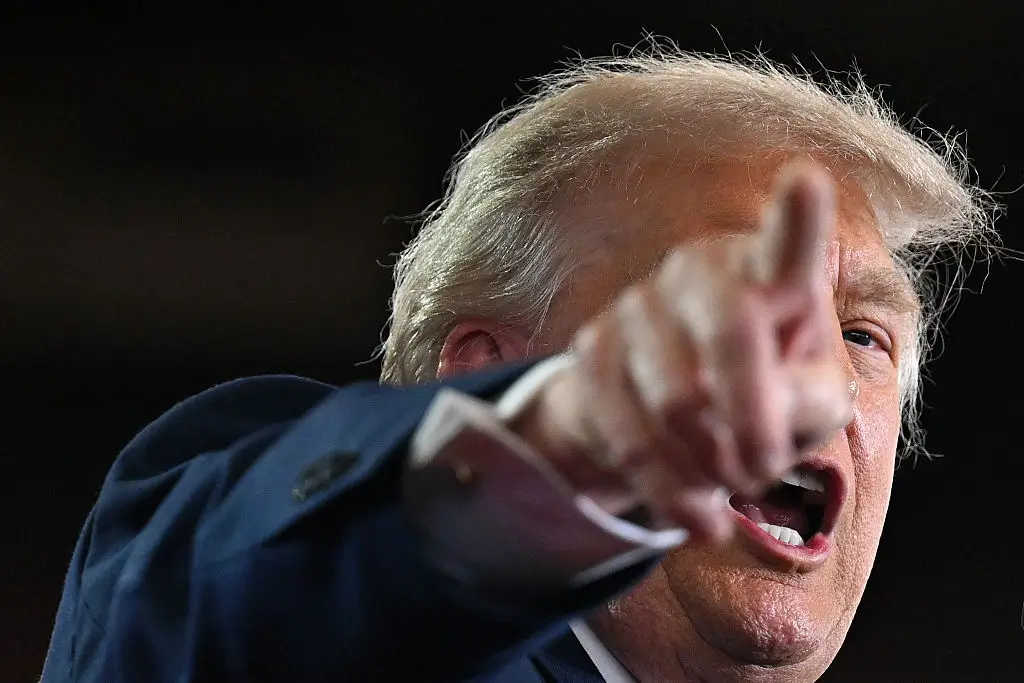
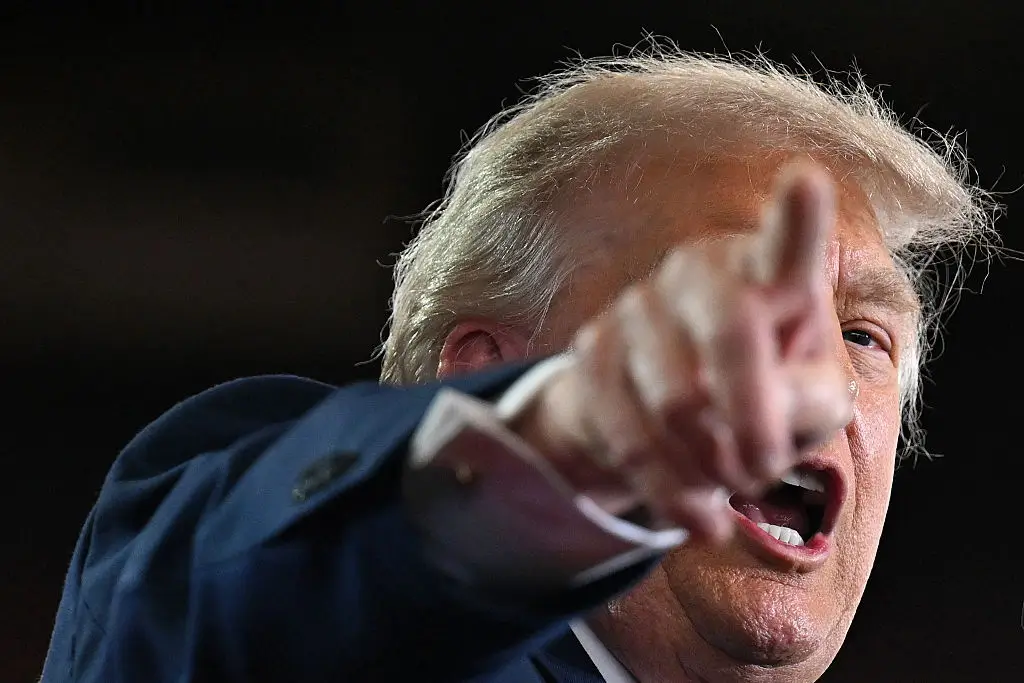
The proposed 25% tariff is part of President Donald Trump’s wider strategy to invoke national security as a justification for broadening tariffs on products made with metals such as copper, aluminum and steel.
Yet by placing brass instruments on the tariff list, the administration has drawn mockery from critics who say the policy stretches the notion of national security to near absurdity — and could complicate for families, schools and music programs the ability to afford the instruments that bring millions of children into the world of music.
‘This Is Criminal’: Hegseth Hit with Calls for Removal After Dismissing Sailors’ Desperate Pleas for Soap and Hot Meals — As Crew Members Reportedly Try to Jump Overboard
The Commerce Department said on Aug. 6 that brass-wind instruments, along with certain components and accessories, are among 14 categories being considered for additional tariffs under Section 232 of the Trade Expansion Act. The statute permits the president to impose duties on imports deemed to undermine national security.
The tariff has not yet been enacted. The government is inviting public input through Aug. 27 before a final determination is reached.
Officials say the concern is not that a trumpet or tuba itself imperils national security. Instead, they argue that imports fashioned largely from metals deemed vital to defense could depress domestic demand for American-made materials and threaten the resilience of the U.S. industrial base.
A White House aide told The Washington Times that zeroing in on musical instruments misses the point of the tariffs, arguing that tariffs on raw metals could be sidestepped by simply bringing finished products into the country.
“Including these derivative items ensures that domestic production does not get undercut at another point in the supply chain,” the official stated.
Critics remain unconvinced.
“I can’t help thinking of the ’Music Man’ tune, where ‘76 trombones’ are marching in,” remarked Wayne Winegarden, a senior fellow in economics at the Pacific Research Institute, to the Times. “The sheer silliness of applying national security to musical instruments exposes this administration’s desire for tariffs on goods and their willingness to pursue any path to achieve them.”
The proposal could hit households and schools at a particularly delicate moment of the year, as students join band programs and retailers gear up for the back-to-school season.
NAMM, the National Association of Music Merchants, has strongly opposed including brass instruments in the proposed tariffs.
“It makes no logical sense that any music product would be a national security risk,” NAMM CEO and President John Mlynczak told the Times. “In fact, the opposite is true. Music-making has long been one of the most culturally unifying activities.”
“The amount of brass and copper we use for music products is inconsequential. As important as our industry is, when you look at the sheer volume of materials involved in an industry of our size, it’s a tiny fraction of a percent.”
NAMM notes that more than 25 million children participate in school music programs. The group argues that affordable imported instruments are often a student’s first step toward later purchasing higher-end professional gear.
“The American professional instrument market is only as strong as the student market that feeds it,” Mlynczak said in testimony cited by the organization.
The potential financial impact could be substantial. A 25 percent tariff on a $500 imported trumpet would raise the importer’s cost by $125 before shipping, distribution and retail markups. The ultimate price increase could vary depending on how much of the tariff manufacturers, importers and retailers absorb.
Winegarden warned that higher costs could ultimately hurt schools and taxpayers.
“Kids may have reduced access to an important developmental experience, or you could see higher costs in schools, and that translates into higher taxes,” he said. “You’re diverting more resources toward equipment purchases, which inflates costs across the economy and hinders growth.”
In 2024 the United States imported nearly $119 million worth of brass instruments, with China accounting for roughly $54 million, Japan about $37 million and Taiwan more than $16 million.
Existing tariffs have already left their mark on the market. The effective tariff rate on all musical instruments reached 16.6 percent in the first quarter of 2026, according to the Peterson Institute for International Economics, while imports of musical instruments fell 9 percent from the previous year and 20 percent from 2024. Brass instrument imports were down as much as 27 percent compared with 2025.
The proposal has sparked a wave of online criticism.
One critic joked, “A trumpet in the wrong hands can be a weapon of Brass Destruction.”
Another quipped, “Trump has definitely lost all sense of reality. USA you really do need to take action.”
Others reacted with disbelief at the national-security rationale.
“In today’s edition of ‘You Can’t Make This Sh-t Up,’ we’re now declaring brass instruments a national security threat. In a six-page memo outlining a push for tariffs on metals, the words ‘national security’ were used nine times. Seriously, WTF with this guy?!?”
Another commenter offered a stark assessment: “He is batsh-t crazy and dumb as a rock.”
Someone else wrote, “Well, Trump declaring brass instruments a national security threat was definitely not on my bingo card, but I am shockingly unsurprised.”
Another critic tied the proposal to Trump’s broader use of tariffs, saying, “Trump is a f—king moron, reason 458,820,005,143 … Trump administration declares brass instruments a national security threat. Why? So he can tariff without Congressional approval.”
One final reaction summed up the bewilderment surrounding the proposal: “Are you f-cking nuts taking away brass instruments. Somebody wake him up.”