
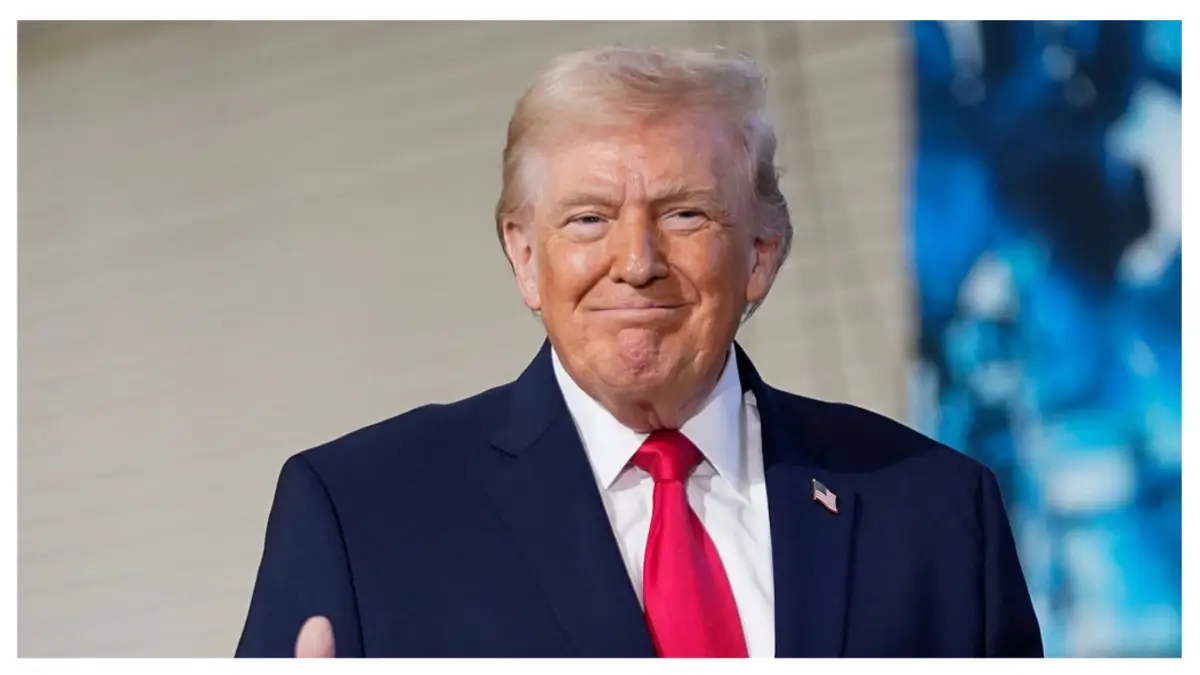
A furious President Donald Trump launched a baffling confrontation with the United States’ closest ally, and heis now directing his ire toward Canada after Ottawa stepped away from the negotiations.
Prime Minister Mark Carney described the U.S. proposal as “a bad deal” for Canada, accusing Washington of delivering an “attack” on the country during a press conference. He pledged retaliatory tariffs on a dollar-for-dollar basis.
Carney said Canadian officials had been negotiating in good faith, but that the U.S. “asked too much and offered too little,” CBS News reported.
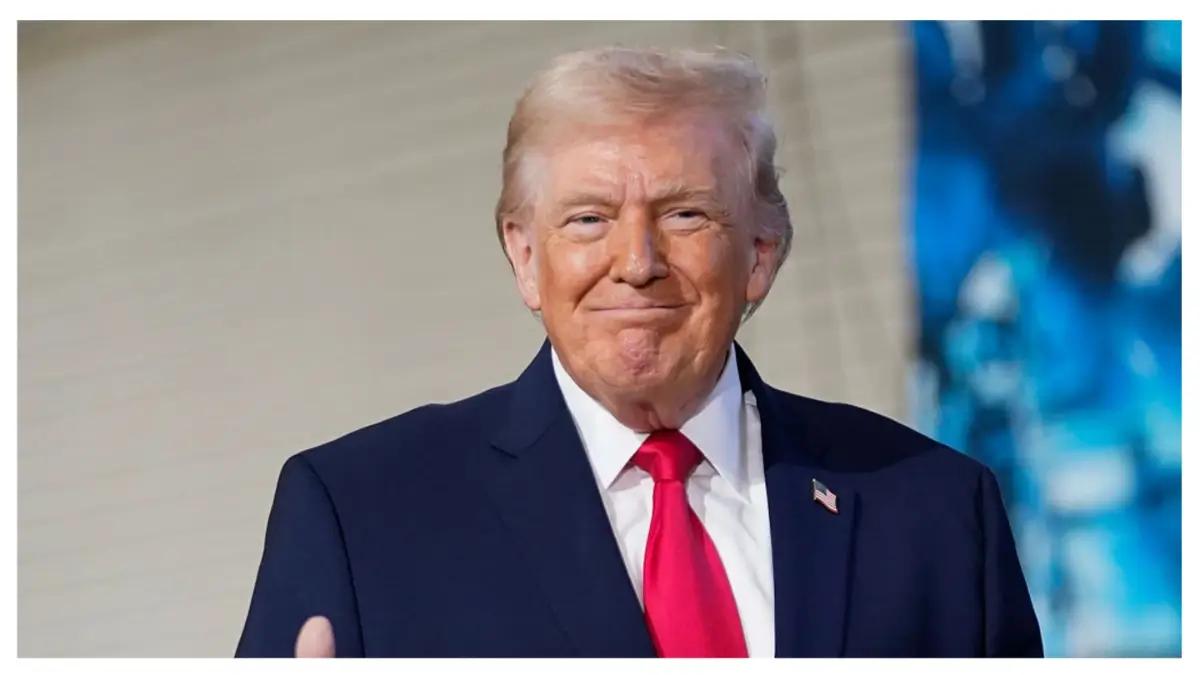
“The new U.S. tariffs are designed to hurt us and divide us. They’re a miscalculation,” Carney said.
New 50 percent tariffs on about $20 billion of Canadian goods took effect on Saturday. They arrive after weeks of talks collapsed late on Friday, Aug. 20. The affected items include construction materials, spirits, certain apparel, and hockey sticks.
Canada announced retaliatory charges on U.S. goods beginning Sept. 8, including new duties on steel, dairy, appliances, farming equipment, pulp and paper, and electronics.
‘Very Angry With Her’: Trump Calls Out Karoline Leavitt to Her Face for Leaving Him—Then Twists the Knife by Bringing Up His Former Press Secretary
View on Threads
“We have to remember Canada is a state. Sorry, Freudian slip,” he claimed as the audience chuckled.
Trump had replaced the original North American Free Trade Agreement in 2020 during his first term with the United States-Mexico-Canada Agreement, or USMCA.
The agreement remains in force, but its fate is in question as Trump’s trade confrontation with Canada escalates.
The USMCA now requires an annual review instead of a longer-term assessment. Despite the growing strains, the core framework for regional commerce continues to steer trade, The Guardian reported.
Canada Won’t Be Bullied
Social media erupted with disbelief at Trump’s apparent misunderstanding of Canadian trade—and at a deal he himself had approved.
“It took him three days to replay Carney’s press conference and come up with that. The 95% remark exposes it. A simple-minded man,” one Threads user wrote.
A second commenter noted, “He’s so forgetful that he’s the person who signed the current trade deal with Canada!!!!!!!!”
Another declared, “Canada won’t be bullied by Trump!”
A different post summed up the sentiment: “Same tired nonsense, over and over. The record player keeps skipping. The GOP needs a new needle.”
The Vice President Joins the Conversation
Vice President JD Vance weighed in from a Maine political event on Monday, boasting that Canada is “a state” before conceding it was a Freudian slip.
“Canada and China have stood out as the two worst performers on trade policy worldwide. That’s a pity. China, as expected, is our main economic competitor. I’d expect that from China, but not from Canada,” Vance lamented.
View on Threads
“We must remember that Canada is a state. Apologies for the Freudian slip,” he quipped as the crowd chuckled.
Trump had replaced the original North American Free Trade Agreement in 2020 during his first term with the United States-Mexico-Canada Agreement, or USMCA.
The agreement remains in effect, but its future is uncertain as Trump’s trade war with Canada intensifies.
The USMCA now requires an annual review instead of a long-term assessment. Despite rising tensions, the core framework continues to regulate regional commerce, The Guardian reported.