
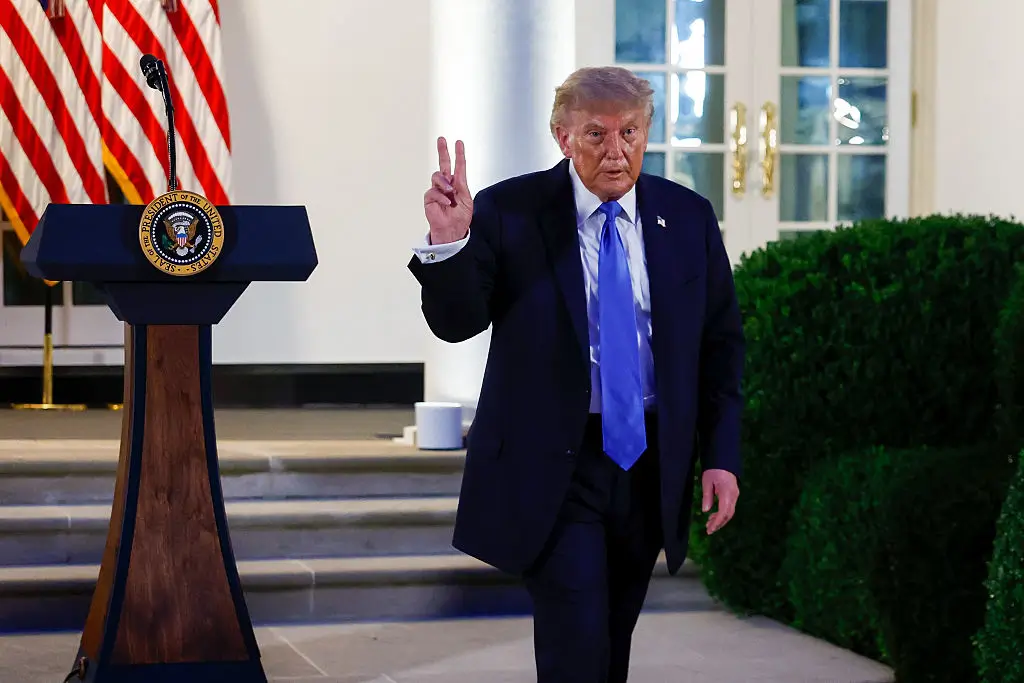
This time of year normally brings more activity, but the Atlantic remains notably quiet as the hurricane season hits its climatological peak.
Over the weekend, the National Hurricane Center reported no active Atlantic tropical cyclones. Meteorologist Chris Martz also noted that the basin had entered an unusually quiet milestone.
Experts attribute the absence of major storms to atmospheric conditions, particularly a strong El Niño that suppresses tropical development, the Daily Beast reports. NOAA has likewise forecast below-normal hurricane activity for the Atlantic basin this year.
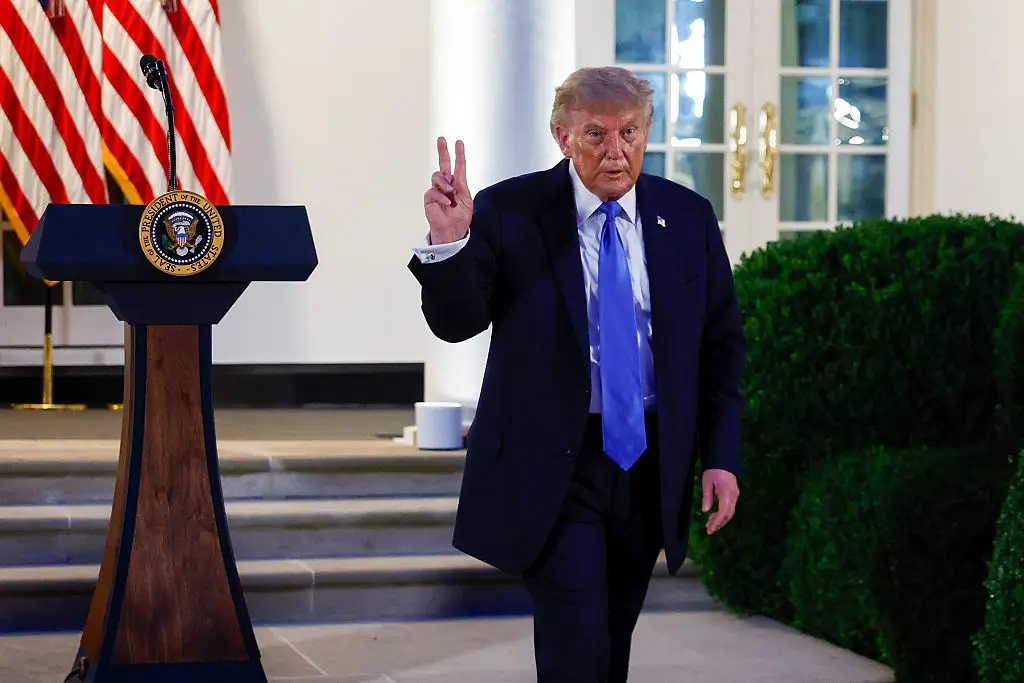
But the White House said one person deserved the credit. Its communications team replied to Martz’s post by attributing the suppression of hurricanes to President Donald Trump, a claim that promptly elicited ridicule since Trump had nothing to do with the absence of storms.
Martz, who describes himself as a politically incorrect meteorologist, wrote on Saturday that history had been made because no hurricanes had formed in the North Atlantic through Sept. 12.
’So Corrupt’: Trump Showers Natalie Harp and Fellow Aides with Eye-Popping Cash Gifts, and the White House’s Excuse Makes It Look Even Worse
“No hurricanes have formed in the North Atlantic Ocean so far this year. This is the FIRST time on record in the satellite era (since 1966) that we have made it to September 12th without at least one Atlantic hurricane yet in the calendar year,” Martz wrote.
He noted that the record stretches even further back when looking beyond the satellite era. According to his analysis, it was also the first time since at least 1941 that the Atlantic had reached September 12 without producing a hurricane. He added that accumulated cyclone energy (ACE), a measure of overall tropical cyclone activity, was also at its lowest level since 1941.
“If we get through September 21st without any hurricane formations, it will be the first time since 1914 (there were none that season),” he wrote. “Can we get there? Nine days to go. The NHC thinks we will notch at least seven more. The race is on.”
The pro-Trump account, Rapid Response 47, shared Martz’s post and added: “Thank you, President Trump!”
That prompted online sarcasm, with some users questioning why the administration appeared to cast the unusual weather pattern as one of Trump’s accomplishments.
“Totally normal and not crazy at all,” commented one anti-Trump account on X.
“Even hurricanes want nothing to do with him,” another user wrote. Another person criticized the idea of praising Trump for good weather, stating, “The incompetence of the White House knows no bounds.” A further commenter added: “They really are nuts!”
The real explanation for the Atlantic’s quiet spell is far less political.
A strong El Niño is disrupting the atmospheric setup that tropical systems need to develop, PBS reports. NOAA also notes that El Niño tends to increase vertical wind shear over the Atlantic, making it harder for tropical storms to organize and strengthen.
Records from the National Hurricane Center show that as of Sept. 12, the Atlantic had produced five named storms but zero hurricanes and zero major hurricanes. Its accumulated cyclone energy stood at just 4.4, roughly 93% below the 1991-2020 average for this point in the season.
Meteorologists say the conditions are unusually hostile to storm development.
“Their chances are cut off before they even have a chance to form,” said Brian McNoldy, a hurricane expert at the University of Miami, per PBS.
The absence of hurricanes does not mean the United States has escaped dangerous weather. Tropical Storm Edouard recently brought heavy rainfall and severe flooding to parts of Texas, triggering emergency rescues and evacuations. The storm underscored the distinction between a quiet Atlantic hurricane season and a complete absence of severe weather.
The Trump administration has also faced criticism over its disaster-response policies, including major changes to Federal Emergency Management Agency funding and operations. The administration has pursued FEMA reforms while continuing efforts to tie some federal disaster assistance to compliance with its policies.