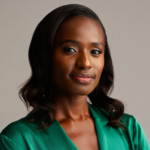
Roseanna Hall was slated to depart for Puerto Rico on November 8, as contestants began converging for the 75th Miss Universe competition.
The Zimbabwean beauty queen had spent weeks in South Africa pursuing a U.S. visa. By Friday, November 13, she remained in limbo, with the November 24 finale looming just ahead.
Two African contestants had already withdrawn from the event.
Zambia’s Mubanga Pamela Hatyoka, a 25-year-old registered nurse, and the Republic of Congo’s Georgina Kambongo will miss the pageant after visa issues prevented their entry, according to The Associated Press.
Kambongo had hoped to become the Republic of Congo’s first Miss Universe representative. South Sudan’s Adut Deng continued to seek clearance after months of work by her national organizers.
“She earned her crown, she earned her title, and she deserves the opportunity to represent the nation she proudly serves,” Miss Universe Zambia organizers said in a statement announcing Hatyoka’s withdrawal.
Puerto Rico is a U.S. territory, so international contenders traveling there are subject to federal immigration and visa rules.
President Donald Trump’s December 2025 proclamation expanded the restrictions his administration first imposed that June.
The updated rules took effect January 1, 2026, and partially blocked entry for nationals of Zambia and Zimbabwe seeking certain visas, including tourist, business visitor, student and exchange visitor visas.
South Sudan joined the list of countries facing full entry restrictions, while the Republic of Congo remained on it.
The restrictions generally apply to individuals who were abroad and lacked a valid visa when the order took effect.
The proclamation provides an exception for athletes, coaches, team staff and their immediate relatives traveling to World Cup events, the Olympics, and other qualifying major sports competitions. It also allows for discretionary exemptions on travel deemed to be in the U.S. national interest.
Kambongo’s planned debut would have added another milestone to a history of Miss Universe that spans the Black diaspora. In 1977, Janelle Commissiong of Trinidad and Tobago became the first Black woman to win the crown.
In 1999, Trinidad and Tobago hosted the event as Botswana sent its first contestant, 19-year-old Mpule Kwelagobe.
She marked a historic moment as the first Black African woman to win the title and later used her influence to advocate for HIV/AIDS prevention, especially among the youth.
At the time, Trump co-owned the Miss Universe Organization with NBCUniversal. He sold his stake to WME/IMG in September 2015.
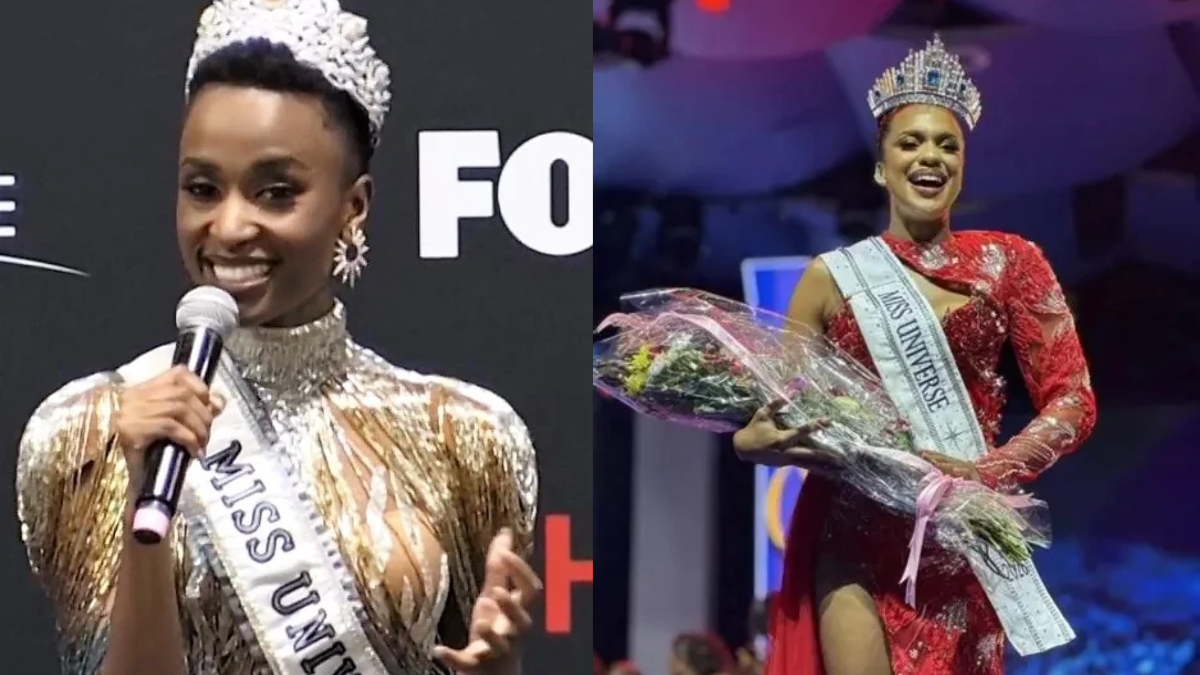
Two decades later, South Africa’s Zozibini Tunzi captured the crown at Tyler Perry Studios in Atlanta. Tunzi chose to wear her short, natural hair as she spoke about growing up in a world that often overlooked women who resembled her.
Asked what lesson should be taught to young girls, she answered, “Leadership.” The remark drew a standing ovation from the audience.
In San Juan, the national costume competition was slated for November 21, with the final coronation scheduled for three days afterward.
As of Friday, Hall and Deng remained uncertain about whether they would have the chance to take the stage.