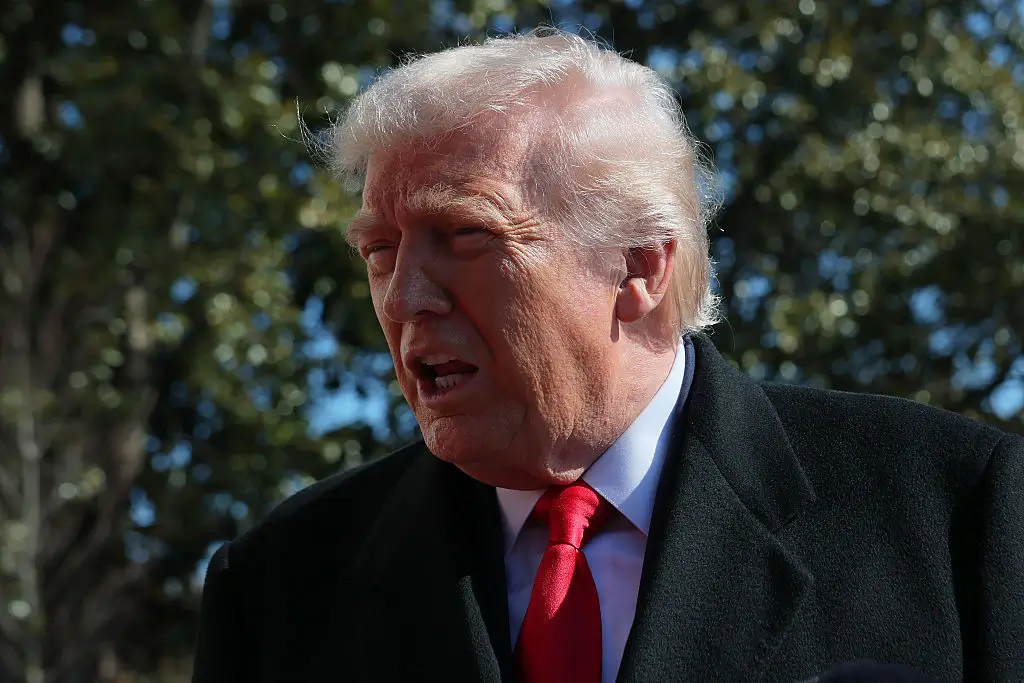
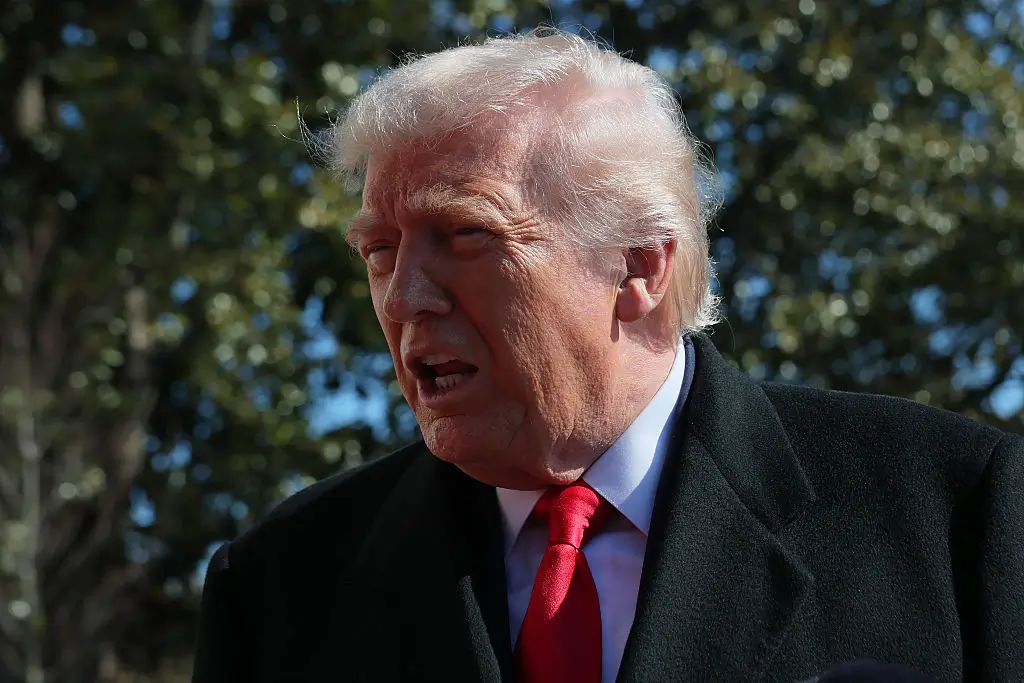
Donald Trump seems to be running low on holiday spirit.
His frustrations are climbing as he encounters another setback tied to East Potomac Park’s redevelopment.
The plan envisions transforming the park’s three courses into one premier venue. The Washington, D.C. property sits among several self-promotional projects Trump has pursued this year.
It is also turning into another difficult venture, mired in a legal tug-of-war, much like his Kennedy Center takeover and the proposed Triumphal Arch.
The president’s stance emerged just days before Thanksgiving.
The administration moved to shutter a section of East Potomac Park at Hains Point on November 15 to begin renovating the course.
Federal Judge Ana Reyes issued a temporary restraining order in October, ordering the government to keep the recreational facility open through November 28.
Reyes’s order does not compel continued operation of the courses now that the National Links Trust’s operator agreement has lapsed.
This month she challenged Trump’s lawyers to defend the proposed plans in court.
Trump’s legal team argued that his background as a real estate developer offered public value but failed to adequately defend the project.
As a result, officials pulled benches, flagpoles, cups and other equipment. The park remains open, but the National Park Service has no staff stationed there.
On November 23, Reyes extended her order through December 12. She expects the acting National Park Service director to justify Trump’s proposed closure at a December 8 court hearing.
Trump attacked Reyes in a Truth Social post.
He vigorously alleged that East Potomac Golf Course had earned the nickname “Trash Island.” He blamed its poor condition on “years of neglect.”
He asserted that Reyes, a judge “appointed by Crooked Joe Biden” in 2023, “is doing everything in her power to stop the Department of the Interior from turning an old, dilapidated, and very unsafe Golf Course into one that Washington and, indeed, the U.S.A., can be proud of.”
Trump’s name appears on more than a dozen golf courses around the world. Some skeptics speculate that he could be maneuvering to rename East Potomac Park in his honor as well.
“This [man] will renovate it, plaster his name all over it, and profit by it,” a critic snapped.
The politician also claimed that blocking the redevelopment would pose a “great danger and peril to the Public.”
A heckler quipped, “The only thing missing from that tweet is the suggestion that the course is for national security reasons.”
Trump went on, “She wants to become a Golf Course Designer and approve every move we make — And that simply isn’t how things work. This project can be completed with ease and speed, simply replacing a hazardous, subpar course with a safe and excellent one that will be GREAT for the area.”
He concluded, “Time is of the essence — this project must begin immediately, or many seasons will pass and costs will continue to climb!”
A skeptic questioned whether the president himself authored the tirade. The leading guess was Natalie Harp, Trump’s executive assistant who helps craft his posts.
That post appeared to read, “Is Natalie still typing and posting for daddy Trump? We all know Trump usually uses ALL CAPS…inquiring minds need to know.”
“This remark contradicts everything the government lawyers argued in court,” another commenter observed.
Thus far, the remodeling has seen only one major action: the removal of about 400 trees.
View on Threads