
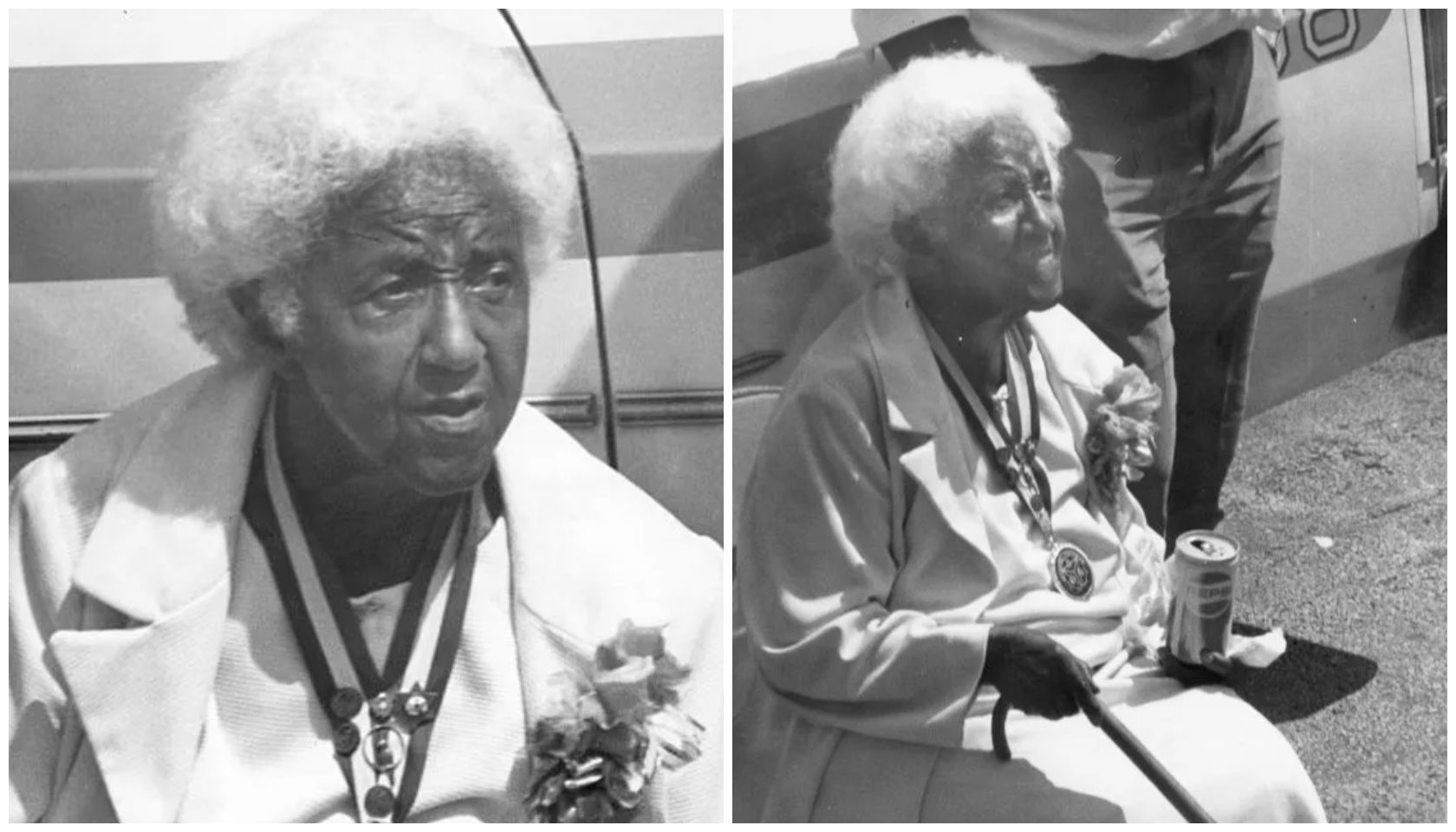
- Black women have long innovated within systems that did not honor their brilliance, amplifying the significance of their contributions.
Black History Month arrives in February, and Women’s History Month steps forward in March, together providing a timely reminder that Black women have been shaping this country in ways that still aren’t talked about enough. These celebrations go beyond hashtags, classroom posters, or the same handful of names being recycled every year. They’re also about recognizing the women who saw ordinary problems, thought creatively, and built solutions that continue to influence how we live today.
For a long time, Black women have had to innovate within systems that didn’t always honor, protect, or even acknowledge their brilliance, and that reality makes their impact hit even harder. Black History Month grew out of Negro History Week, first launched by Carter G. Woodson in 1926, while Women’s History Month became a federally recognized, month-long observance in 1987.
That intersection matters because Black women have always stood at the crossroads of race and gender in America, which has often meant their contributions were sidelined twice. Yet history becomes far more compelling when you stop focusing on the loudest names and start looking at the people who reshaped daily life from the ground up. We’re talking about women whose ideas helped mold beauty standards, home life, health care, communication, and safety. Some devised tools that made everyday chores easier. Others propelled technology forward in ways that still echo in today’s world.
What makes these women truly remarkable is that many of their inventions weren’t merely about novelty. They served a purpose. They prioritized function. Comfort. Dignity. Access. Protection. A smarter way to tackle a problem people were already grappling with. That is why their legacies feel so alive today. You might not name them aloud every day, but you can clearly see the imprint of their ideas in the things around you—whether it’s how people style their hair, safeguard their homes, stay connected through digital communications, or receive medical care for serious eye conditions.
And make no mistake: giving Black women their deserved recognition isn’t just about offering inspiration for its own sake. It’s about accuracy. It’s about correcting a historical record that has too often left many geniuses out of the conversation. The story of American innovation remains incomplete without Black women. Their ideas didn’t merely assist here and there—they transformed routines, industries, and expectations. They made life smoother, safer, and smarter, even when the world around them did the absolute minimum to make room for them.
So, before we dive into the individual names and their inventions, understand this: Black women have been essential to the life we know today. Not symbolically, but in tangible, everyday ways that touch everything—from your mirror to your medicine cabinet, from your front door to the phone you hold in your hand. Their influence threads through modern life. With that in mind, here are several inventions by Black women that genuinely changed daily living.
- Sarah Boone — Improved Ironing Board. Boone secured a patent for an enhanced ironing board in 1892, crafted to handle sleeves and tightly fitted garments with greater ease. This may sound straightforward, yet it made garment care significantly more practical and efficient, especially in a era when appearance and upkeep mattered a great deal.
- Marie Van Brittan Brown — Home Security System. Brown contributed to the creation of an early home security setup featuring video surveillance, a monitoring screen, two-way communication, and a remotely controlled lock. Her concept laid essential groundwork for modern security and CCTV systems.
- Marjorie Stewart Joyner — Permanent Wave Machine. Joyner patented a device in 1928 that made it faster and more efficient to produce long-lasting curls and waves. Her invention redefined the beauty industry and helped reshape hair care for generations of women.
- Alice H. Parker — Gas-Powered Central Heating Concept. Parker patented a home heating system that utilized natural gas, representing an important early step in the development of central heating. In simple terms, her ideas helped move residences closer to the comfortable heating systems relied on today.
- Dr. Patricia Bath — Laserphaco Probe. Bath invented a laser-based instrument and method for cataract surgery, enabling surgeons to remove cataracts with greater precision. Her work transformed eye care and helped restore sight for many patients.
- Dr. Valerie Thomas — Illusion Transmitter. Thomas patented the illusion transmitter, a technology connected with creating three-dimensional visual imagery. It marked a major breakthrough in imaging technology and demonstrated how far Black women were pushing the boundaries of science and engineering.
- Miriam E. Benjamin — Gong & Signal Chair. Benjamin’s invention allowed seated individuals to discreetly summon attendants with the press of a button. It’s frequently discussed as an early precursor to call buttons and service alerts that we now take for granted.
- Dr. Marian Croak — Advances In Voice Over Internet Protocol (VoIP). Croak’s contributions helped make internet-based voice communication more reliable and feasible, meaning the digital calling and conferencing used for work, education, and daily life owes a great deal to her work.
- Lydia D. Newman — Improved Hairbrush. Newman secured a patent for an upgraded hairbrush in 1898 that was easier to clean and better suited for grooming. It’s one of those innovations that seems small at first glance, but hair care is a daily ritual for millions.
- Mary Beatrice Davidson Kenner — Sanitary Belt. Kenner invented an adjustable sanitary belt, an important precursor to modern menstrual products. It helped make periods more manageable and sanitary at a time when options were far more limited.
- Sarah E. Goode — Folding Cabinet Bed. Goode patented a folding bed that could be tucked away to save space, which was particularly valuable in smaller residences. It stood as an early example of furniture performing double duty, a concept that remains popular today.
- Ellen Eglin — Improved Clothes Wringer. Eglin devised a more efficient clothes wringer that removed water from laundry more effectively, making wash days considerably less strenuous in the era before modern washers and dryers.
- Bessie Blount Griffin — Feeding Device For Injured Patients. Griffin created a device to assist injured or disabled individuals in feeding themselves, a practical invention rooted in care, independence, and facilitating daily life for those recovering from serious injuries.