
The Justice Department appeared to believe it had found a route to resolve the Epstein files upheaval.
Merely a couple of weeks after former Attorney General Pam Bondi was dismissed, officials moved to prevent her from testifying under oath before Congress — arguing that because she no longer holds the office, she is not bound by the subpoena issued while she was in the position.
The timing sparked instant questions. Bondi had been slated to testify about her management of millions of pages linked to the convicted sex offender Jeffrey Epstein in a deposition that lawmakers from both parties had been pressing for, as frustration grew over what they viewed as an incomplete and heavily redacted release of the records.
To some on Capitol Hill, the maneuver appeared less like a legal technicality and more like an attempt to dodge accountability altogether.
‘We Are So Cooked’: Trump Drops Cryptic All-Caps Message Ahead of Peace Talks Like He’s in Control As New Warning Signals Something Much Worse for Americans
But if the administration thought that would quiet things down, it did not endure.
Acting U.S. Attorney General Todd Blanche stepped into the role with an air of assurance, praising Bondi’s tenure and signaling a desire to push ahead. Instead, he walked straight into the same storm, with lawmakers already waiting.
Kentucky Republican Rep. Thomas Massie wasted no time warning Blanche.
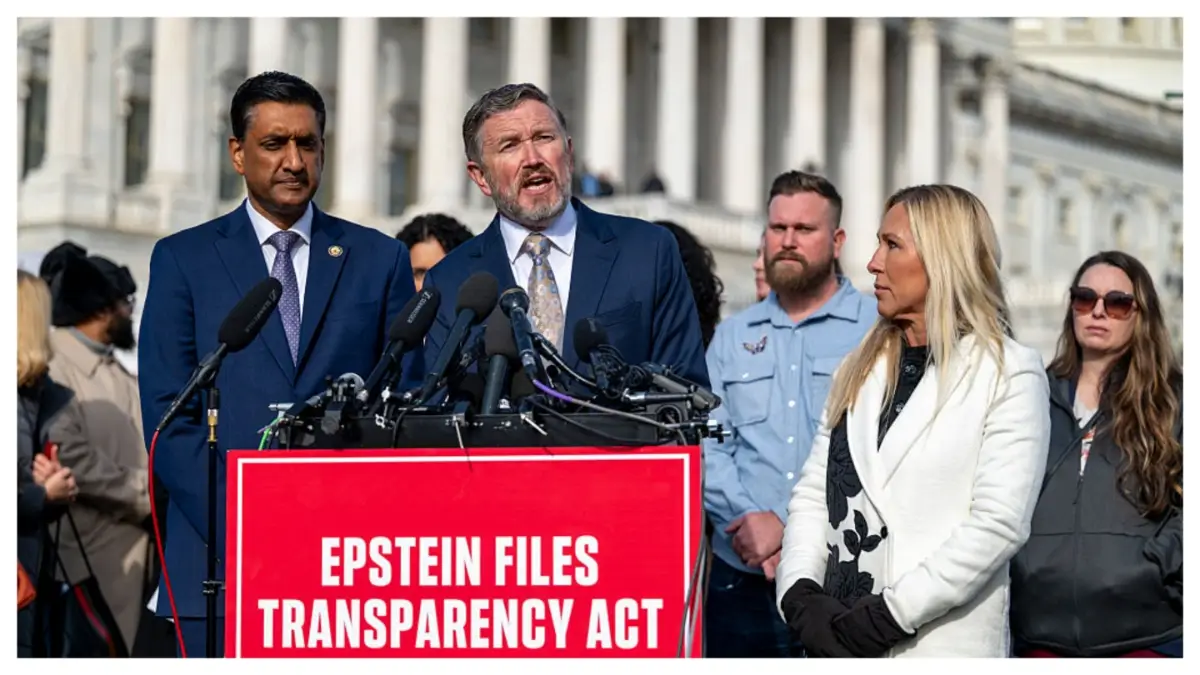
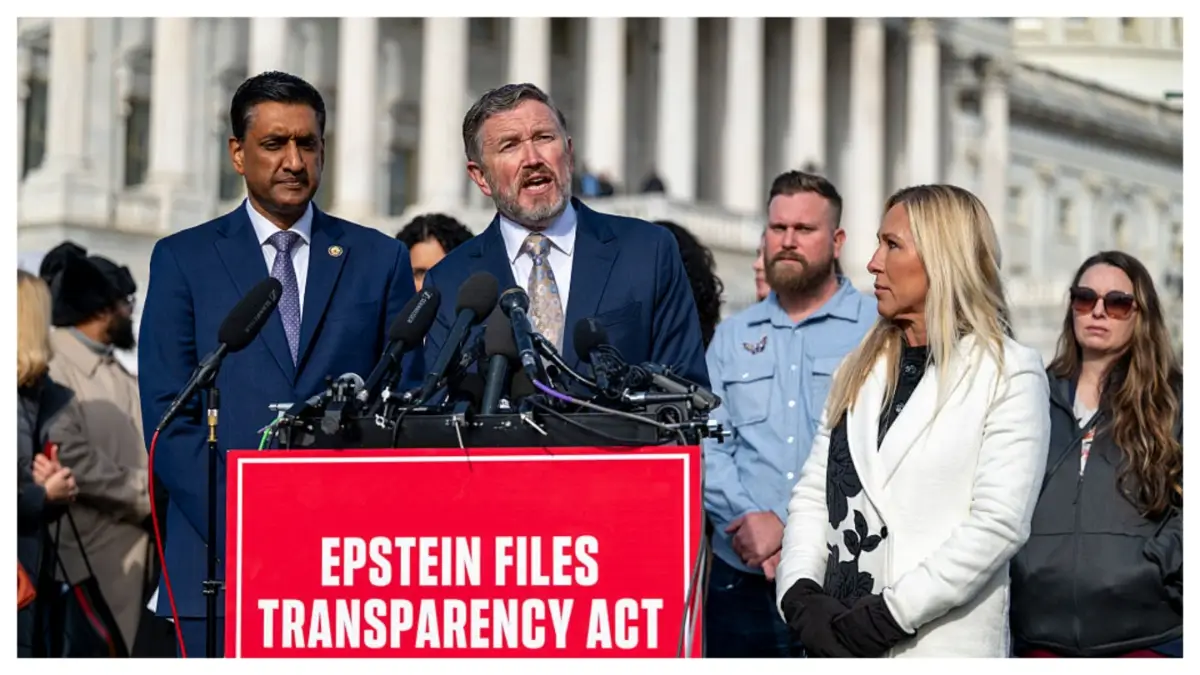
“Congratulations AG Blanche. Now you have 30 days to release the rest of the files before becoming criminally liable for failure to comply with the Epstein Files Transparency Act,” Massie said bluntly in a post on X.
Massie, along with California Democrat Ro Khanna, co-authored the legislation that mandated the release of all Justice Department files related to the deceased sex trafficker Jeffrey Epstein, and Trump signed it into law last year.
Blanche, however, insisted there was nothing left to uncover.
During a tense exchange with a reporter at a Justice Department press briefing, he pushed back against the notion that crucial material was being withheld.
“Just to clarify, is the public going to learn the identities of the men who abused the girls with the information that you’re releasing, and if not, why not?” a journalist asked.
Blanche shot back, “You just baked in an assumption into your question that I’ve never said and don’t know to be true. Is the public going to learn about men that abuse these girls and what does that mean? I don’t understand what that means.”
Pressed further, he doubled down.
“If we had information — we meaning the Department of Justice — about men who abused women, we would prosecute them,” Blanche said. “That is not the case.”
But critics contend that assertion does not align with the facts.
It took congressional action to compel the release of the files initially. Even then, millions of pages remain undisclosed, and many of the documents that have been released are heavily redacted and frequently identify victims while obscuring alleged perpetrators.
Blanche later went to Fox News to defend the administration’s handling of the matter, insisting that the department had maintained full transparency.
“We have made every single congressman, senator available to come and see any document, redacted, unredacted, that they want,” he said.
He also signaled a desire to move forward.
“To the extent the Epstein files were a part of the last year of this Justice Department, it should not be a part of anything going forward,” Blanche added.
That stance was soon met with challenge.
“This is a lie,” California Rep. Robert Garcia fired back. “About 50% of the files have been released and by our subpoena it’s illegal to withhold them.”
Like Massie, Garcia shows no intention of backing down.
“Blanche may think it’s over, but we are just getting started,” he warned.
The dispute has now returned to Bondi, and questions about whether the administration can truly keep her off the witness stand.
In a letter to Congress, the Justice Department argued that Bondi is no longer bound to comply with the subpoena issued while she was attorney general, effectively urging lawmakers to withdraw it.
Yet lawmakers from both parties rejected that argument outright.
“A Department of Justice with nothing to hide doesn’t avoid a subpoena,” said Rep. Nancy Mace, a South Carolina Republican who backed compelling Bondi’s testimony.
Democrats have been even more direct.
“It is shameful that Pam Bondi is still trying to shield powerful men and their ties to Jeffrey Epstein,” members of the House Oversight Committee stated in a joint release, accusing her of defying Congress.
Garcia has gone further, warning that the subpoena remains in effect regardless of Bondi’s job status and that failure to comply could bring criminal contempt charges.
“Legally, at the end of the day, if someone is under subpoena, it doesn’t matter if they change jobs,” Garcia told MS Now. “They’re still expected to appear before Congress.”
“If she doesn’t come forward… then we will hold Pam Bondi in contempt.”
That looming confrontation threatens to keep the Epstein-files fracas alive, even as the administration seeks to move beyond it.
And for Blanche, what might have appeared to be a reset is quickly morphing into something far different — a fresh round of the same battle, with pressure mounting from both parties and no easy exit ramp in sight.