Denied on Hollywood’s Biggest Night: The Notorious Black Oscar Snubs in History
April 3, 2026
Each awards season, film buffs settle in to witness Hollywood’s most celebrated evening—the Academy Awards. With fans gearing up for the 2026 ceremony, we take a stroll through memory lane to spotlight the era’s most notable Black Oscar snubs. Read on to explore.
The Oscars honor the industry’s most commanding performances and groundbreaking films. Yet for many Black movie enthusiasts, Oscar history often comes with a familiar sense of frustration. Over the years, numerous legendary performances and culturally significant films have been overlooked, prompting a recurring question: how did the Academy overlook that?
Although discussions about diversity in Hollywood have evolved, the legacy of past exclusions still colors today’s perception of the Oscars. Publications like The Root and Yahoo News have revisited some of the most memorable moments when Black artists were denied recognition despite delivering iconic work.
Enjoy MadameNoire? Get more! Sign up for the MadameNoire Newsletter
We care about your data. See our privacy policy.
According to The Root, several of these performances remain among the most hotly debated decisions in Academy history. Yahoo News observes that these moments underscore a broader pattern of Black creatives being overlooked across multiple categories throughout the ceremony’s nearly one-century run.
From powerhouse turns to groundbreaking films that helped shape culture, these snubs still fuel conversation among cinema lovers today. Here are some of the most discussed moments when the Academy arguably missed the mark.
The Greatest Black Oscars Snub
Angela Bassett – What’s Love Got to Do with It (1993)
When Bassett embodied rock icon Tina Turner, audiences witnessed a performance that instantly became a landmark in cinema. She earned a Best Actress nomination but ultimately fell to Holly Hunter for The Piano. To many fans, Bassett’s portrayal is considered one of the most electrifying biopic performances ever captured on screen.
Denzel Washington – Malcolm X (1992)
Directed by Spike Lee, the sweeping biographical drama featured Washington delivering a commanding portrayal of the civil rights figure Malcolm X. Despite widespread critical acclaim, Washington was bested by Al Pacino for Scent of a Woman, a decision many critics still label as one of the Academy’s most notable misses.
Pam Grier – Jackie Brown (1997)
Under Quentin Tarantino’s direction, this crime drama revitalized Grier’s career and established her as a formidable leading presence. Yet she did not receive a single Oscar nomination, even though her co-star Robert Forster did receive recognition.
John Singleton – Boyz n the Hood (1991)
When Singleton earned a Best Director nomination for his groundbreaking debut, he made history as the youngest person ever nominated and the first Black director recognized in that category. Despite the film’s enduring cultural impact, he did not win the award.
Cicely Tyson – Sounder (1972)
Tyson’s deeply moving performance earned her a Best Actress nomination, but she ultimately lost to Liza Minnelli for Cabaret. Tyson would later be honored with an honorary Oscar in recognition of her decades-long influence.
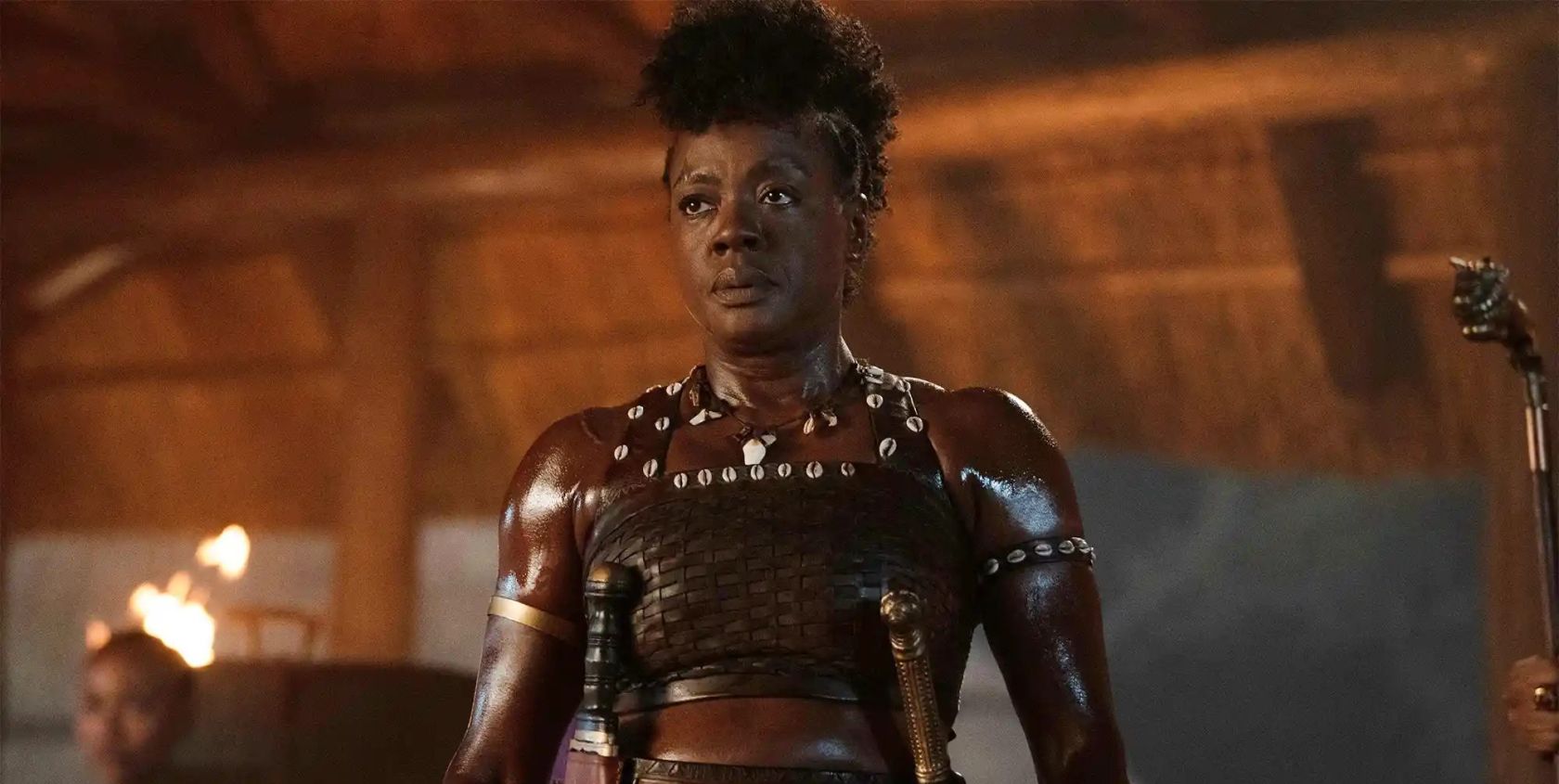
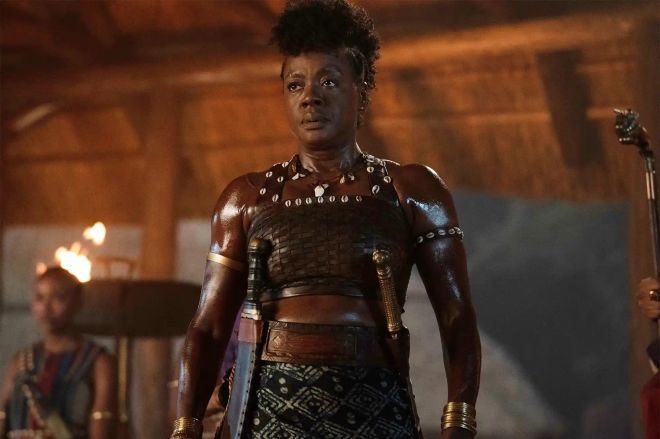
Viola Davis – The Woman King (2022)
Davis delivered a forceful portrayal as General Nanisca in this historical epic, yet she faced the surprise of an absent nomination despite widespread critical acclaim.
Samuel L. Jackson – Pulp Fiction (1994)
Jackson’s unforgettable turn as Jules Winnfield became one of cinema’s most iconic performances. Although he earned a nomination, he lost Best Supporting Actor to Martin Landau for Ed Wood, a result that still stirs debate among fans today.
Whoopi Goldberg – The Color Purple (1985)
Steven Spielberg’s adaptation earned eleven nominations but secured no wins. Goldberg’s commanding lead performance drew widespread praise, making the total shutout one of the most shocking outcomes in Oscar history.
Ava DuVernay – Selma (2014)
DuVernay achieved a landmark nomination for Best Picture with the film, yet stunned critics when she wasn’t nominated for Best Director. The movie also sparked controversy when star David Oyelowo did not receive a Best Actor nomination.
Lupita Nyong’o – Us (2019)
After clinching an Oscar for 12 Years a Slave, Nyong’o delivered a chilling dual performance in Jordan Peele’s horror-thriller. Many critics anticipated a nomination, but the Academy ultimately overlooked the performance entirely.
These moments serve as a reminder that while the Academy Awards celebrate cinematic excellence, they do not always get it right. Yet the cultural impact of these films and performances endures far beyond any trophy. If history teaches us anything, true greatness does not require a golden statue to endure the test of time.
Danielle Brooks
I am a staff writer at New York Beacon, where I focus on culture, entrepreneurship, and the emerging voices redefining Black America. My work highlights innovators, artists, and founders whose stories often unfold beyond mainstream headlines but shape communities in meaningful ways. Through precise reporting and thoughtful storytelling, I aim to document progress, challenge narratives, and contribute to a stronger Black press tradition.