
Colorism Laid Bare
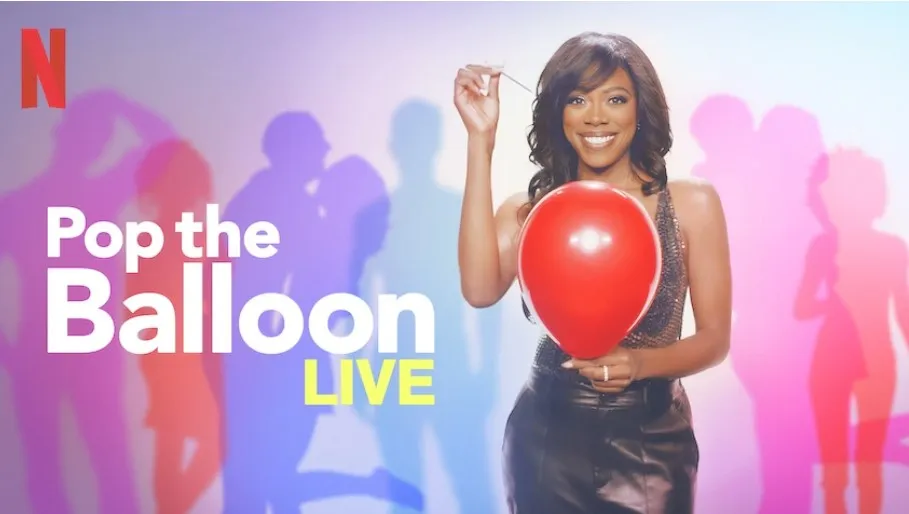
Watch enough of the show’s clips and a pattern comes into focus. Before a person’s emotional availability or intelligence, politics, relationship history, sense of humor, or even a hint of their character is revealed, the jolting balloon-popping soundtrack fills the studio and cuts off love before it can grow where the contestants’ feet stand. Contestants make snap judgments based on factors like height, hair, clothing, body type, and skin tone. And the show’s creators have themselves acknowledged that some participants enter with unrealistic expectations, arguing that dating has become shallow and materialistic.
That’s not a “Pop The Balloon” problem. That’s modern dating.
When attraction is reduced to what can be judged at a glance, Black women don’t enter that realm on neutral ground.
A 2026 Journal of Black Studies study by Elizabeth Hughes interviewed 27 heterosexual Black women aged 18–35 across a spectrum of skin tones. The participants described experiences of fetishization, sexual exploitation, and romantic marginalization, with researchers finding that skin tone and body size significantly shaped their romantic encounters.
Many participants reported feeling objectified, viewed through sexual stereotypes or simply not regarded as possible romantic partners at all. Hughes found that these experiences varied across the skin-tone spectrum, meaning lighter-skinned women weren’t necessarily “winning” either. They could experience desirability through fetishization, raising the question: Are they attracted to her, or to what her appearance represents? Are they into her or just into light skin?
“Pop the Balloon” is basically a dating app turned into live television.
Instead of: Swipe → Match → Chat → Ghost, it’s: See → Judge → Reject → Pop.
And the audience gets to witness the rejection unfold in real time.
The show’s creators have said they aren’t creating superficiality; they’re exposing it. In a recent CNN Africa interview, Matundu and Amuli argued that contestants can reject someone over seemingly minor details of their appearance, even after acknowledging that person has other desirable qualities.
But research suggests those visual judgments don’t just come out of thin air. It’s built by a culture that has been telling everyone who’s attractive for a long time.
A 2024 study in Social Science Research used a survey experiment featuring online dating profiles of Black daters, with skin tone as the variable. The study found that profiles featuring dark-skinned daters consistently received a penalty compared with profiles of light- and medium-skinned daters. The findings suggest that colorism can directly affect how dark-skinned Black people navigate their romantic lives, independent of factors such as socioeconomic status and social networks.
That’s important because we’re no longer talking exclusively about how people feel about their dating experiences. Researchers experimentally tested whether skin tone affected romantic desirability, and found evidence that it did.
In other words, before a (darker skinned) Black woman can be rejected for who she is, research suggests she can be filtered out for how she looks. Aka pop pop pop.
So is “Pop The Balloon” shallow? Sure. Is it problematic to want to be attracted to the person you’re dating? Absolutely not.
The problem is when attraction becomes the only credential someone gets the chance to earn. Because for Black women, being desired, fetishized, overlooked, or dismissed is always going to be bigger than a balloon pop.