
Black History Month is still in full swing, friends, which means we should be tuning into the voices of our ancestors rather than the noise around us. Maya Angelou reminded us, “When someone shows you who they are, believe them the first time.”
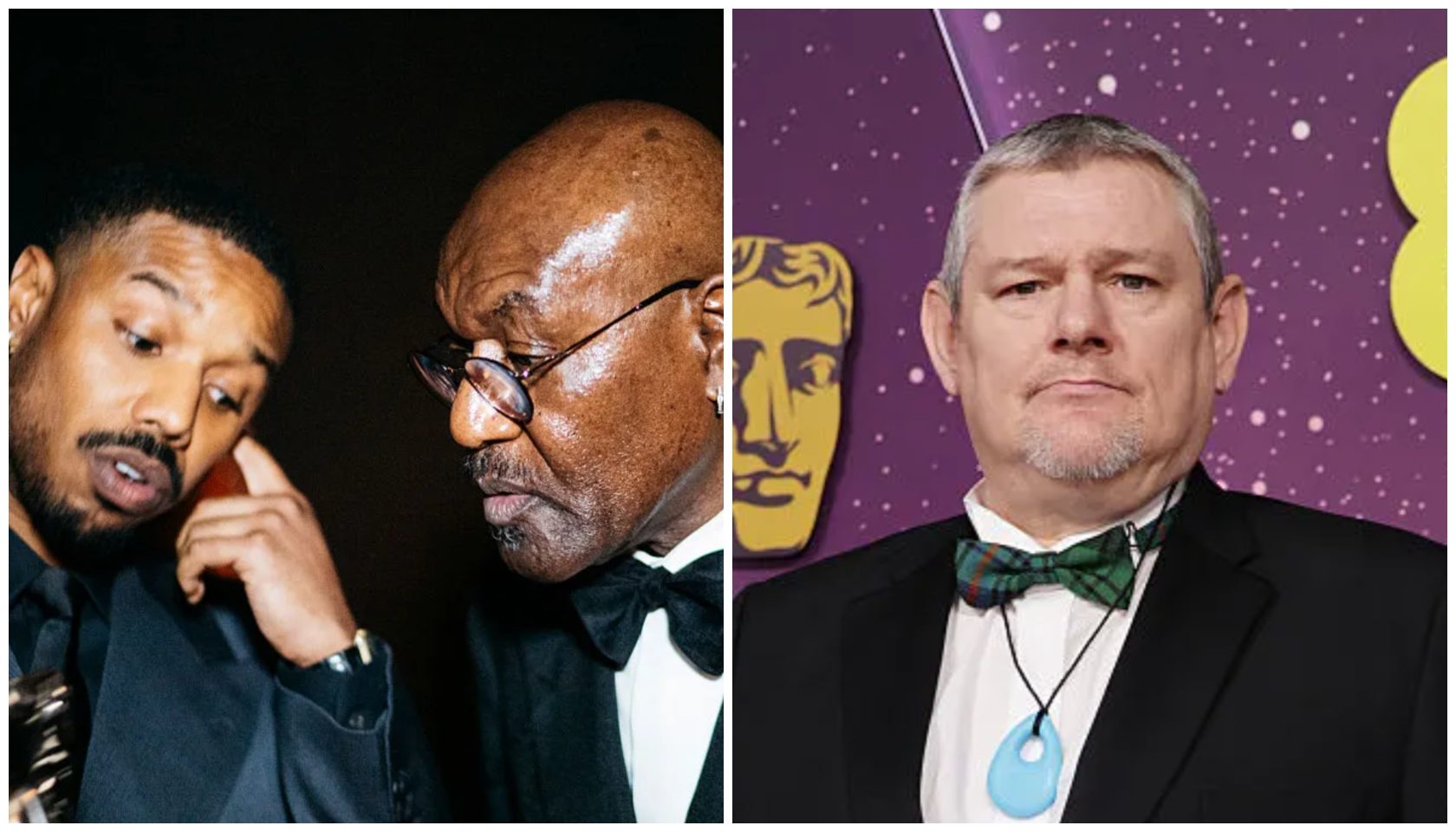
John Davidson revealed his true colors at the 2026 BAFTA Film Awards, delivering the N-word not once but three times to four Black individuals in a single evening.
And now Black people are expected to accept his apology?
Are we expected to accept that carefully worded apology that can’t even name the harm? That “if anyone was offended” line? The one tucked into a neat conditional clause? The one that sounds more like a rehearsed script than a genuine admission of responsibility?
The kind of apology that quietly shifts the burden onto us, implying the real question is how we felt rather than what he said and why it harmed people? We’re asked to swallow an apology that validates our worries about how deeply that word sits, how easily it comes from white mouths, and how quick the impulse is to minimize instead of owning the impact?
Nah.
Maya Angelou didn’t say to believe them after they explained it away. She didn’t say to believe them after media coaching. She didn’t say believe them once the lawyers and publicists finish smoothing out the edges.
She said believe them the first time.
That means if we allow ourselves to be gaslit by that apology, and by the chorus of white voices rushing to defend him, we betray our own discernment. We turn away from the hard-won wisdom our ancestors handed down about surviving in a racist country that has always tried to lull us away from our individual and collective clarity.
Because our ancestors didn’t endure the ships, the plantations, lynch mobs, redlining, segregation, and those polished white apologies so that we could be confused by a manipulative conditional clause. They survived by staying vigilant and by believing what they saw the first time. We dishonor that lineage when we let someone convince us that what we heard three times didn’t mean what it meant.
Rather than centering the harm, the cultural conversation has pivoted. Suddenly, the white man is portrayed as fragile. Black anger and wary glances are treated as the problem. Empathy is demanded, but only in one direction. The instinct becomes to defuse the threat, reframe racism as a neurological glitch, recast the slur as unfortunate but harmless, deem the apology sufficient, and frame Black pain and outrage as overreaction.
Honestly, part of me wishes West Indian Archie from the film Malcolm X and Killmonger from Wakanda had been on that stage instead of the dignified, composed Delroy Lindo and Michael B. Jordan.
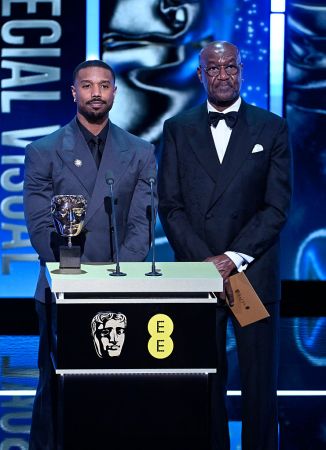
Because Archie would have straightened his cufflinks, tilted his head, and spoken with Caribbean precision, demanding clarity before security could react. I can hear Archie lean in and say, “Repeat it.” And Killmonger, not built for award-show etiquette, wouldn’t chase nuanced neurological explanations. He’d lean into the mic and declare, “Nah, say it again.” Sometimes I wonder how the ongoing “cultural conversation” would shift if the energy in the room matched the room’s audacity.
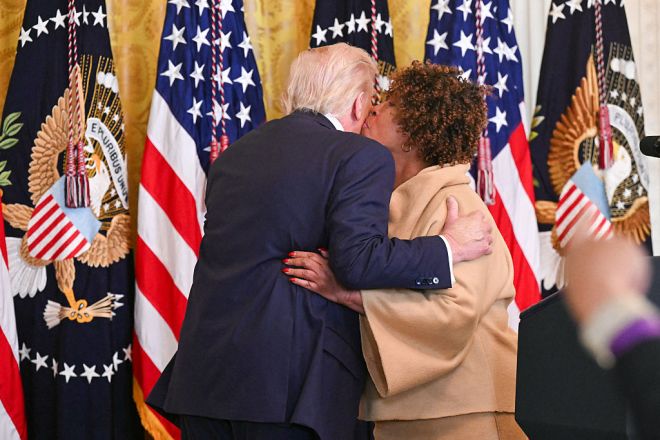
Notice how little effort has gone into asking those four Black people how it felt in their bodies in that moment. Notice how little attention has been paid to the millions of Black viewers who heard that word and felt that familiar sting. Instead, we’re being told to extend compassion. Compassion and forgiveness are being weaponized against us, as they always are, no matter the harm done. Are we supposed to greet him with warmth, like that Black grandmother did for Donald Trump?
And in the era of Trump, this pattern is amplified. He didn’t originate racism, but he’s made it mainstream as a grievance. He shows defiance when challenged. He flips accountability into persecution. He teaches millions of white Americans that being accused of racism is worse than actually committing it. To racists, nothing is racist unless Black people talk about racism.
So when a racial slur surfaces publicly, the script is predictable: Step 1, question the outrage. Step 2, humanize the white offender. Step 3, accuse critics of cruelty. Step 4, demand grace. Step 5, commit a racist act again. Wash, rinse, repeat.
What never gets the same push is accountability. What never centers Black humanity. Gaslighting works like this: Black people are told that refusing to instantly absolve him makes us heartless. That naming harm is bullying or ableism. That pointing out the racial dimension is opportunistic. We’re told to minimize our reaction to make room for white comfort.
White folks who rush to defend Davidson may not be consciously thinking, “Today I want to uphold white supremacy.” Yet they uphold the scaffolding that protects it: white innocence. If they can convince themselves this was merely a neurological glitch, they won’t have to confront the deeper truth that anti-Blackness remains woven into the culture, and sometimes into themselves.
So no, Black people aren’t wrong for feeling anger. Because at the end of the day, this isn’t complicated. We heard the words. We saw the actions. And we know what three repetitions of the N-word signify.
We aren’t wrong to reject a conditional apology. We aren’t wrong to refuse to be shamed into silence. What happened harmed four Black individuals in that room and millions of viewers. We can acknowledge disability without erasing racial impact. We can hold nuance without surrendering truth.
The real question isn’t why Black people are upset. The real question is why so many white people seem desperate to prevent us from being. And that desperation speaks for itself.
Remember, we come from a lineage that survived by reading the room accurately. And Maya Angelou didn’t stutter. “When someone shows you who they are, believe them the first time.”
And we’re not pretending otherwise.
Dr. Stacey Patton is an award-winning journalist and author of “Spare The Kids: Why Whupping Children Won’t Save Black America” and the forthcoming “Strung Up: The Lynching of Black Children In Jim Crow America.” Read her Substack here.