
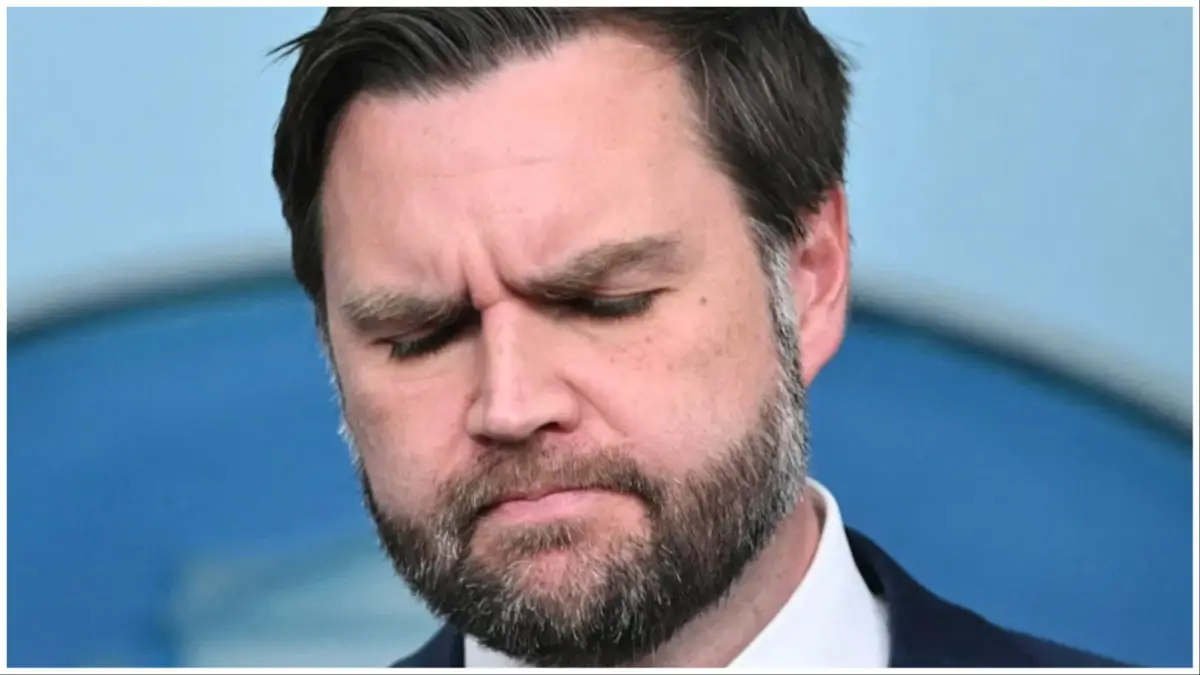
JD Vance arrived at the White House briefing room bearing policy updates and a set of prepared talking points.
He also carried a cheat sheet. Yet he ended up doing exactly what is expected of him and others in the Trump administration: sticking to safe choices.
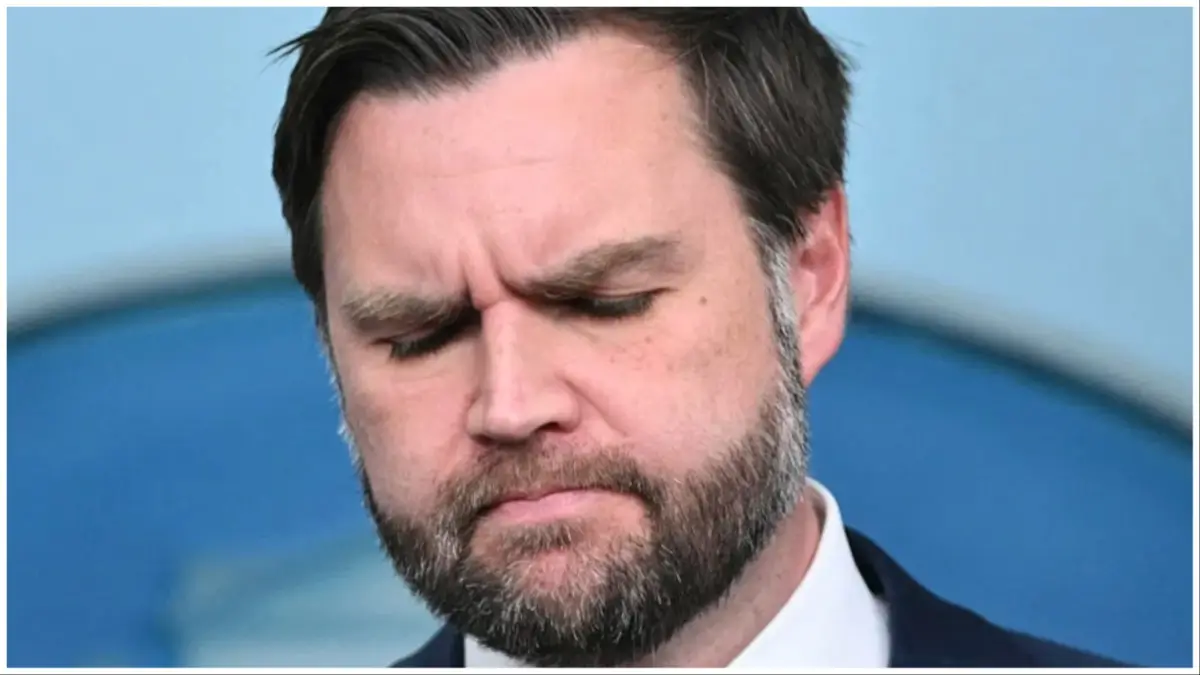
Clearly, answering questions was only part of the challenge.
Determining who would be permitted to ask them became the real test for the vice president.
“Changed Everything”: Bombshell Report Reveals Trump’s Unfiltered Demand That Finally Forced Karoline Leavitt to Walk Away From the White House
The document in question was a seating plan for the James S. Brady Press Briefing Room. Vance needed it on Thursday as he hosted the administration’s first formal briefing in 42 days. It also marked the first briefing since Karoline Leavitt stepped down as press secretary.
View on Threads
“I’m gonna go—I’m gonna go to … Let’s—let’s go … Let’s go to …” Vance stammered, appearing to struggle as he searched for his next questioner.
A reporter stepped in with a hand gesture of aid. She shouted, “You don’t have to follow that list.”
Vance kept scanning the page.
“Well, the issue is—OK, hear me out,” he replied. “You can see the list here. You can access your zoom-up links here. Nobody’s even been circled. Nobody’s been circled. If Karoline Leavitt were still here, she would have directed me to whom to call on, but clearly, that hasn’t happened here.”
The moment seemed less like a presidential briefing and more like a substitute teacher hunting for the attendance sheet.
Before entering the room, Vance had already stirred up a bit of trouble. He posted a video on Instagram as he approached the briefing.
View this post on Instagram
Danielle Brooks
I am a staff writer at New York Beacon, where I focus on culture, entrepreneurship, and the emerging voices redefining Black America. My work highlights innovators, artists, and founders whose stories often unfold beyond mainstream headlines but shape communities in meaningful ways. Through precise reporting and thoughtful storytelling, I aim to document progress, challenge narratives, and contribute to a stronger Black press tradition.